Hobart is the most atmospheric small city in the country to shoot. kunanyi / Mount Wellington stands over the harbour, the sandstone of Salamanca and Battery Point holds a nineteenth-century texture you cannot build, and the light is southern and clean, with fast weather that turns a grey morning into something dramatic. Beyond the city, the Tasman Peninsula and Bruny Island give you sea cliffs and wilderness within a short drive or ferry.
Whether you are producing a Hobart shoot, scouting coverage, or a Hobart cinematographer checking access before a recce, work through the location guide below, then read the permit notes. I travel to Hobart and Tasmania for shoots and plan around the changeable southern light.
The complete Hobart filming location guide
Here is the full guide. Tap Map to open the spot in Google Maps, or Footage to see example videos. Locations marked with a ★ are the standout, camera-ready vantage points.
| Location | Best time | Filming tips | Links |
|---|---|---|---|
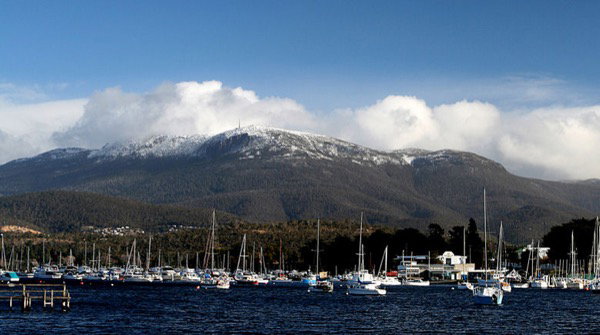 ★ kunanyi / Mount Wellington ★ kunanyi / Mount Wellington | Flexible (weather) | The summit panorama over the city, the Derwent and the peninsula; cloud and snow are common, so keep the day flexible. | 📍 Map▶ Footage |
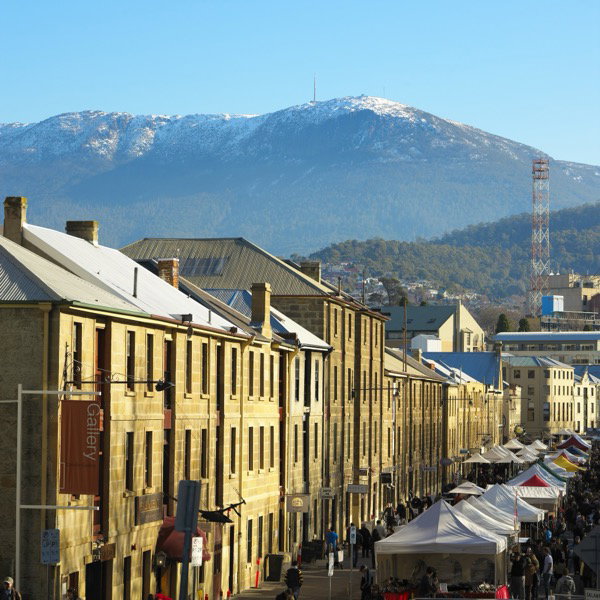 ★ Salamanca Place ★ Salamanca Place | Dawn / afternoon | The row of Georgian sandstone warehouses, empty and lit at dawn or busy on market day; warm afternoon light brings the stone to life. | 📍 Map▶ Footage |
 Battery Point Battery Point | Morning | Colonial cottages, Kelly's Steps and narrow lanes for a period, village feel a few minutes from the waterfront. | 📍 Map▶ Footage |
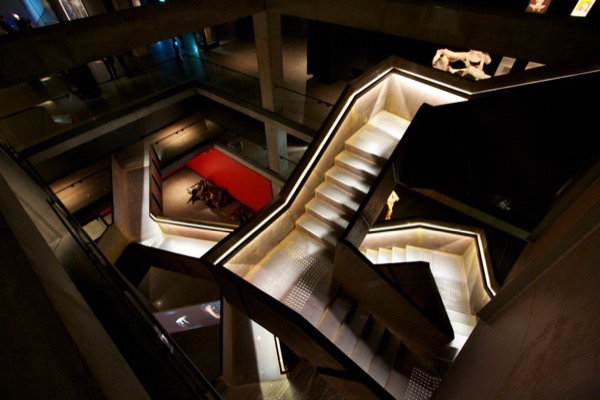 MONA MONA | Low light | Bold architecture and the ferry approach up the Derwent; access arranged separately, the grounds striking in low light. | 📍 Map▶ Footage |
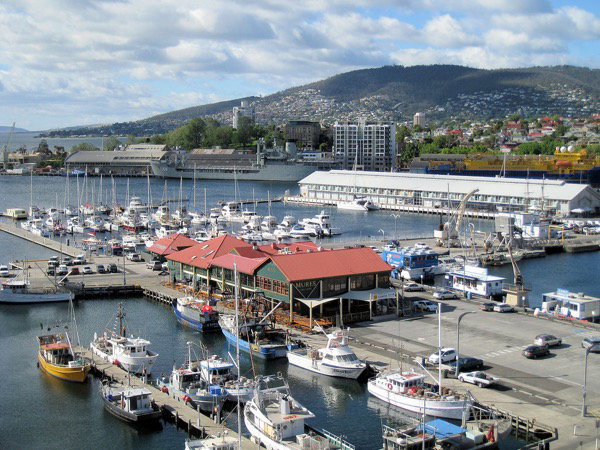 ★ Constitution Dock & the waterfront ★ Constitution Dock & the waterfront | Blue hour | Fishing punts, the yacht-race finish and the working harbour; blue hour for the reflections. | 📍 Map▶ Footage |
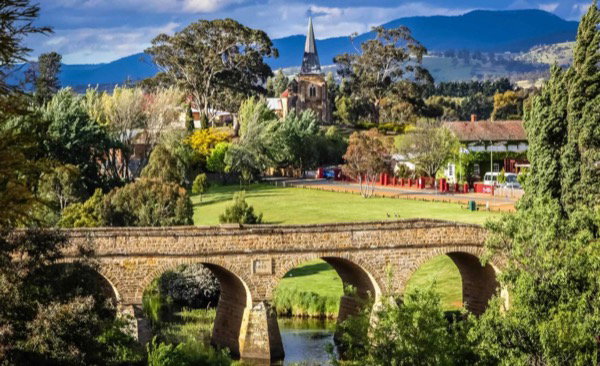 Richmond Richmond | Sunrise | Australia's oldest bridge and a preserved Georgian village twenty-five minutes out; sunrise mist on the river. | 📍 Map▶ Footage |
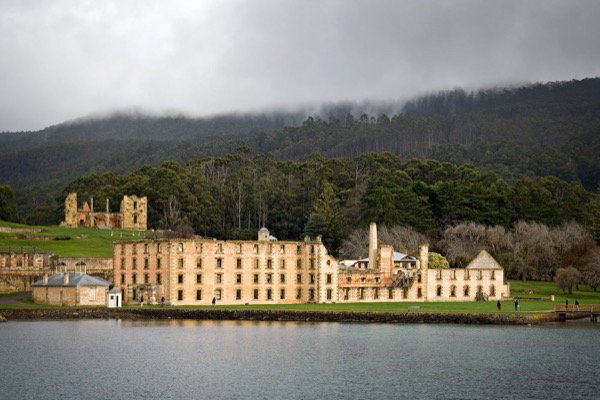 ★ Tasman Peninsula & Port Arthur ★ Tasman Peninsula & Port Arthur | Weather-driven | The tallest sea cliffs in the country and the Port Arthur historic site; park licence and site access apply. | 📍 Map▶ Footage |
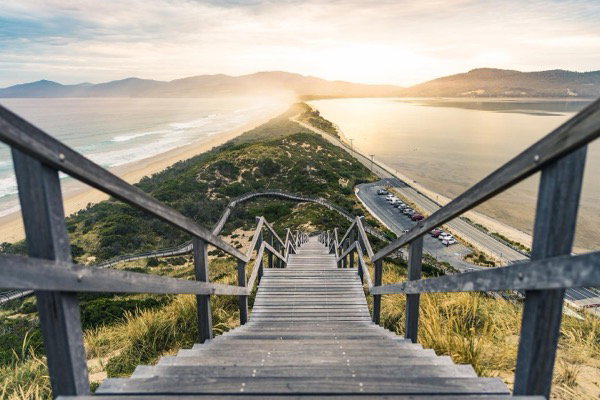 Bruny Island Bruny Island | Sunrise / sunset | A ferry south for The Neck isthmus, the lighthouse and the cliffs, from the lookout over the twin bays. | 📍 Map▶ Footage |
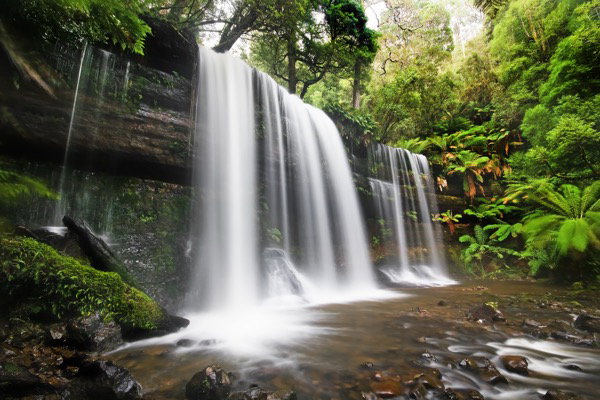 Mount Field National Park Mount Field National Park | Overcast | Russell Falls and tall swamp gums about an hour from the city; overcast light holds the greens. | 📍 Map▶ Footage |
 ★ Tessellated Pavement ★ Tessellated Pavement | Sunrise, low tide | A rock platform cracked into near-perfect tiles that fill with water at low tide for reflections. Time it to the tide chart. | 📍 Map▶ Footage |
 Cape Raoul & Cape Hauy Cape Raoul & Cape Hauy | Weather-driven | Dolerite organ-pipe columns dropping into the Southern Ocean. Both need a half-day hike or a boat. | 📍 Map▶ Footage |
 Mount Nelson Signal Station Mount Nelson Signal Station | Sunset | A quick, reliable alternative when cloud closes the kunanyi summit, with the Derwent and the bridge below. | 📍 Map▶ Footage |
 ★ Cascade Brewery ★ Cascade Brewery | Morning | A sandstone brewery facade standing under the mountain. The most photographed industrial building in Tasmania. | 📍 Map▶ Footage |
 Cascades Female Factory Cascades Female Factory | Overcast | World Heritage convict site with bare walls and yards. Austere and effective for period and documentary work. | 📍 Map▶ Footage |
 Huon Valley Huon Valley | Morning | Apple orchards, the Huon River and tall forest an hour south. Mist holds in the valley on still mornings. | 📍 Map▶ Footage |
 ★ Freycinet & Wineglass Bay ★ Freycinet & Wineglass Bay | Sunrise | Orange lichen on granite above a white crescent of sand. Two and a half hours north, and worth the overnight. | 📍 Map▶ Footage |
 Maria Island Maria Island | Daytime | Painted Cliffs, convict ruins and wombats on open grass. Ferry from Triabunna, and no vehicles on the island. | 📍 Map▶ Footage |
 Kingston & Blackmans Bay Kingston & Blackmans Bay | Sunrise | Sheltered beaches fifteen minutes south with the mountain behind them for a layered wide. | 📍 Map▶ Footage |
 Seven Mile Beach Seven Mile Beach | Sunrise | A long dune-backed beach beside the airport. Easy access for a quick coastal setup on arrival or departure. | 📍 Map▶ Footage |
Planning your Hobart shoot
Tasmania is the state where the parks authority matters most, because so much of what you would want to shoot sits inside a reserve. The Parks and Wildlife Service covers the national parks and reserves, which takes in kunanyi, the Tasman Peninsula, Mount Field, Freycinet and Maria Island. The City of Hobart covers the streets, the waterfront and Salamanca, and the surrounding councils cover the rest.
Parks and Wildlife Service Tasmania
There are two licences, and which one you need turns on the scale of the job rather than the subject. A Commercial Filming Licence covers feature work, documentaries, educational and government-sponsored filming, advertising, commercial websites and promotional material. It costs $440.00 including GST for up to eight people, with $55.00 for every extra person, and approval is granted for specific dates and locations.
| Licence | Fee | Lead time |
|---|---|---|
| Commercial Filming Licence, up to 8 people | $440.00 (incl GST) | 21 business days |
| Each additional person | $55.00 | |
| Enthusiast Business Licence | $100.00 |
The Enthusiast Business Licence at $100.00 catches a case worth knowing about. If you film or photograph in a Tasmanian park and receive any payment for the material you publish, including monetised social media, sponsorship or endorsements, you need a licence even as a one-person operation. Applications for the commercial licence must be in a minimum of 21 business days before your dates, and you need public liability cover of at least AU$20 million naming the Crown in Right of Tasmania as an interested party. Drone use may be permitted but is handled separately. Apply through Parks and Wildlife Service Tasmania.
City of Hobart and surrounding councils
The council covers filming on city streets and public space, including street closures around Salamanca and the waterfront. Outside the city boundary you deal with the relevant council, so Kingborough covers Kingston and Blackmans Bay, Clarence covers Seven Mile Beach, and Glamorgan Spring Bay covers the Freycinet approaches. Port Arthur and the Cascades Female Factory are separately managed heritage sites and need their own site approval on top of any park licence. Start with the City of Hobart.
Screen Tasmania
Screen Tasmania is the state agency and the fastest way to work out which authority actually holds a location, which is genuinely useful here given how much land sits under Parks and Wildlife.
Fees and lead times change each year. Confirm current amounts with each authority before you lock a schedule. All figures above checked against the authorities’ own published schedules on 28 July 2026.
Common questions about filming in Hobart
Do you need a permit to film in Hobart?
For commercial work in Tasmanian national parks and reserves you need a commercial filming licence from the Parks and Wildlife Service, approved for specific dates and locations. There is also a second licence worth knowing about. The enthusiast business licence applies if you film or photograph in a Tasmanian park and receive any payment at all for the published material, which includes monetised social media, sponsorship and endorsements. Plenty of small operators are caught by that without realising it.
How much does a filming permit cost in Hobart?
A commercial filming licence is $440 including GST for up to eight people, plus $55 for every extra person, so crew size moves the number directly. The enthusiast business licence is $100. Confirm current figures before you budget, since these are reviewed periodically.
How long does it take to get a filming permit in Hobart?
Applications have to be lodged a minimum of 21 business days before the proposed dates, which is roughly a month of calendar time once weekends are counted. That is a longer lead than most mainland councils ask for, so it is the item most likely to catch out a production that adds Tasmania late in the schedule.
Can you fly a drone for filming in Hobart?
Drone use may be permitted in Tasmanian parks and reserves, but the Parks and Wildlife Service handles it separately from the commercial filming licence rather than as part of it, so treat it as a second application. Commercial flights also need a CASA remote pilot licence and an operator certificate. Insurance for filming in Tasmanian parks is public liability of at least AU$20 million, and the policy has to name the Crown in Right of Tasmania as an interested party, which is a detail brokers often miss on a standard certificate of currency.
Filming guides for other Australian cities
Planning a shoot elsewhere in Australia? See the filming location and permit guides for Sydney, Melbourne, Brisbane, Perth, the Gold Coast and Adelaide.