Originally published in 1965, The Five C’s of Cinematography remains one of the most widely referenced texts on visual storytelling in film. Written by Joseph V. Mascelli, a working cinematographer with experience across both theatrical and non-theatrical production, the book distils decades of knowledge about motion picture filming techniques into five core principles. With an introduction by three-time Academy Award winner Arthur C. Miller ASC, The 5 C’s of Cinematography covers camera angles and movement, film continuity editing, cutting, close-ups, and composition in film. This summary covers each chapter in detail.
Arthur C. Miller, past President of the American Society of Cinematographers, provides the book’s introduction. Miller’s career began in 1908 as assistant to Fred J. Balshofer, a pioneer who initiated many motion picture filming techniques, including strict adherence to directional continuity. Miller observes that while production methods had changed vastly, the fundamentals of visual storytelling in film remained constant.
Motion pictures were faster paced for more sophisticated audiences, television dramas could introduce characters and story in a few minutes where early films took a reel or more, and the moving camera and wide-screen formats permitted more continuous filming. Modern trends were moving toward more natural lighting and camera treatment, involving the audience more deeply. Yet despite the influence of outstanding pioneers, not one master of the craft had ever written in clear words just how the camera could be used to greater advantage. The only way to learn cinematography techniques was to serve an apprenticeship or study films and try to figure out how they were made.
Mascelli’s prologue identifies a core problem at the heart of Joseph V. Mascelli’s cinematography philosophy. Most professionals instinctively know the right way to film a subject but seem unable to explain how they do it. They employ the rules constantly but few can articulate them. Many cameramen, particularly those shooting non-theatrical pictures, become so involved in technical aspects that they forget the primary purpose: to tell an interesting story.
The 5 C’s of Cinematography aims to bridge the gap between technical competence and narrative awareness, making theatrical filming principles accessible to documentary filmmakers working with smaller crews and limited budgets. Mascelli stresses that tremendous budgets are not necessary to shoot a motion picture properly; the same professional rules apply to a documentary film report.
He acknowledges the “new wave” had shattered many techniques with some success, and that future filmmakers might find standard methods stifling. But he insists filmmakers should learn the rules before breaking them, learn how audiences become involved, and learn what viewers have been conditioned to accept through years of movie-going. A new method should be tried: if the audience comprehends and enjoys it, use it; if it simply confuses or distracts, discard it.
Mascelli introduces a sixth “C” not covered in the book: Cheating. This is the art of rearranging people, objects, or actions during filming or editing so that the screen result is enhanced, without the audience detecting the change. A player’s height may be cheated higher in a two-shot, the corner of a lamp cheated out of a close-up, or portions of the event cheated out of the final edit. The beginner may be afraid to cheat or may cheat too much. The experienced technician knows exactly how far cheating can be carried before the viewer is aware.
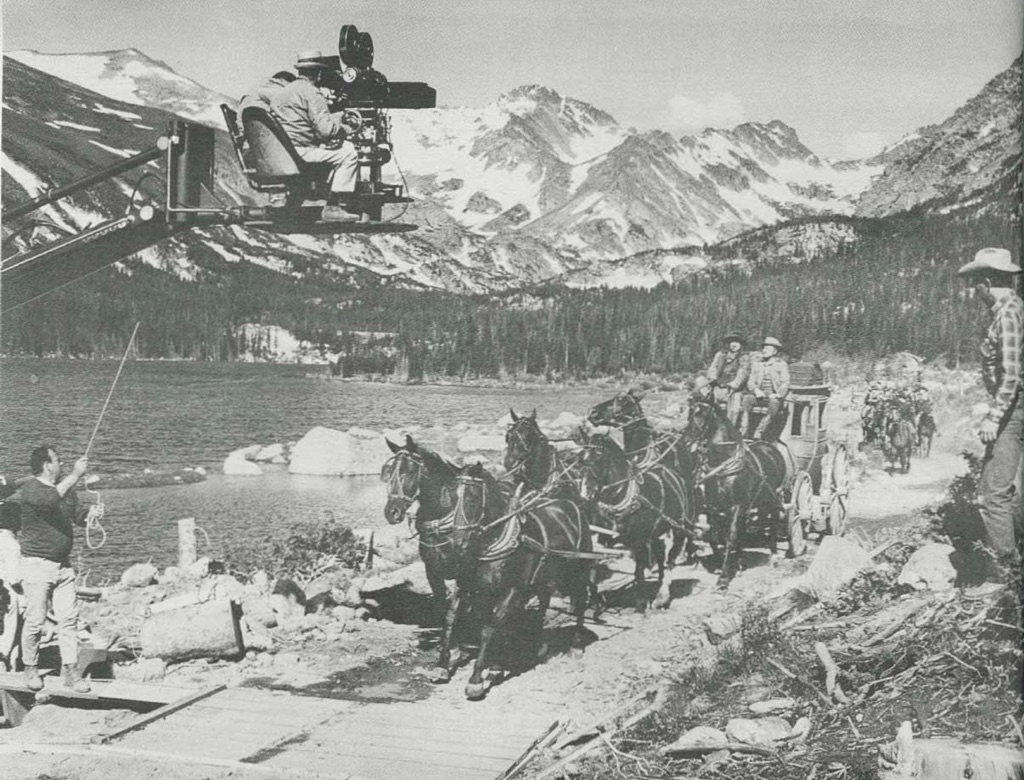
Table of Contents
Chapter 1: Camera Angles and Movement
Core Principle
The first of the 5 C’s of Cinematography deals with camera angles. A motion picture is made up of many shots. Each requires placing the camera in the best position for viewing players, setting and action at that moment in the narrative. The camera angle determines both audience viewpoint and area covered.
Each time the camera is moved, two questions must be answered: what is the best viewpoint for filming this portion of the event, and how much area should be included? A carefully chosen camera angle can heighten dramatic visualisation. A careless one can confuse or distract. Of all cinematography techniques, selection of camera angles is one of the most important factors in constructing a picture of continued interest.
In theatrical film scripts, the director has the prerogative of choosing angles in accordance with his interpretation. Since the cameraman positions the camera, he usually makes the final decision on viewpoint and area. When shooting documentary films off-the-cuff, the cameraman has the further responsibility of breaking down the event into individual shots and deciding the type required for each portion. Both theatrical and non-theatrical filmmakers often employ a Production Designer to prepare a story board, a series of sketches suggesting camera angle, movement, and compositional treatment.
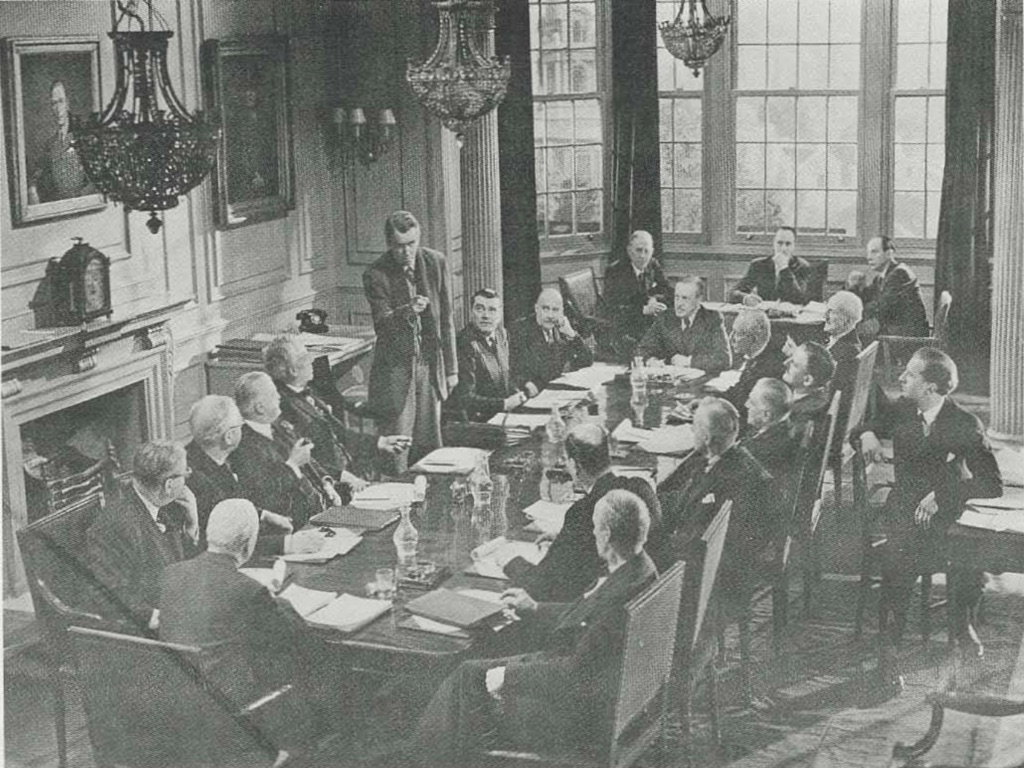
Terminology
A scene defines the place or setting. A shot is a continuous view filmed by one camera without interruption. Each shot is a take. If the set-up is changed in any way, it is a new shot, not a retake. A sequence is a series of shots complete in itself, comparable to a chapter in a book. A shot or portion of a shot is also referred to as a “cut,” derived from a portion cut out and used separately.
Understanding Objective vs. Subjective Camera Angles
Central to the 5 C’s of Cinematography is understanding objective vs. subjective camera angles, plus the intermediate point-of-view angle. These three types of camera shots define the audience’s relationship with the screen event.
Objective angles film from a sideline viewpoint. The audience views the event as unseen observers. Players appear unaware of the camera and never look into the lens. Should a player look inadvertently into the lens, the scene must be retaken. Most motion pictures are filmed from objective camera angles.
Subjective angles place the audience in the scene. The camera becomes the eyes of either the viewer or a specific character. When the camera trades places with a character, other players must look directly into the lens when addressing him. Mascelli considers this problematic when sustained, citing Lady in the Lake (1947), which attempted an entire feature from the detective-hero’s viewpoint. The cast had to look directly into the lens whenever relating with the hero. The audience did not see the hero’s reactions; only his voice was heard. The result was a great deal of useless footage between significant actions which often could not be edited out because continuity would be disrupted.
The subjective camera is most effective as the collective eye of the audience, such as in news broadcasts or documentary narration, in brief inserts within otherwise objective sequences, or when orthodox editing rather than continuous filming can be employed. There are exceptions to the no-editing rule: subjective flashbacks may be presented in fragmented fashion, and sequences involving an unbalanced character may be edited because the audience understands the player receives impressions rather than a continuous picture.
For direct address, a person on-screen looks into the lens to set up a performer-viewer eye-to-eye relationship, as with a television newscaster. This treatment evolved from radio broadcasting. The “double-look” problem in interviews, where the interviewee shifts between looking at the reporter and the lens, weakens the subjective effect and should be avoided.
Point-of-view (p.o.v.) angles fall between objective and subjective. The camera is positioned at the side of a character so the audience views from near that person’s position, but not directly through their eyes. On-screen players look slightly to the side of the camera, not into the lens. This provides intimacy without the jarring quality of full subjective treatment. P.o.v. shots often follow over-the-shoulder shots, which set up the relationship between two players before the p.o.v. moves the audience into the player’s position. Any shot may become a p.o.v. shot if preceded by a shot of a player looking off-screen.
Two important rules: do not show a player looking off-screen, then cut to what he sees, and pan back to include the player (a person cannot see himself as he looks about). Do not have a player point off-screen and walk out in the same direction unless a direct relationship exists.
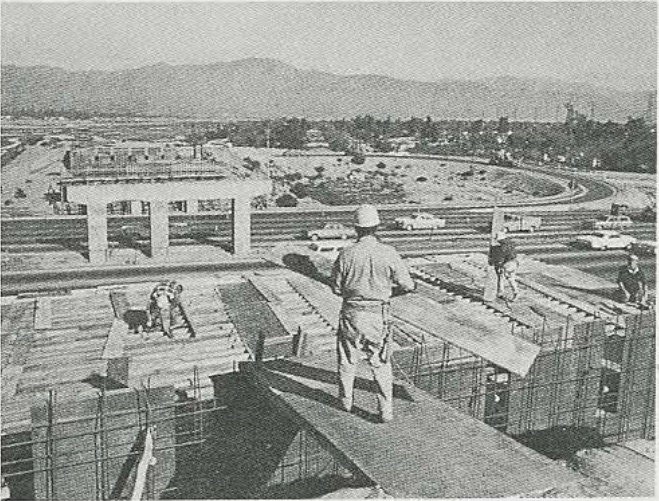
Types of Camera Shots by Subject Size
Mascelli defines the standard types of camera shots by the image size of the subject in relation to the frame. The image size is determined by the distance of the camera from the subject and the focal length of lens used.
An extreme long shot depicts a vast area from a great distance, best filmed from elevated positions to impress with scope. A static shot is usually more adaptable than a panning movement. The pan should be employed only when it increases in interest or reveals more as it progresses.
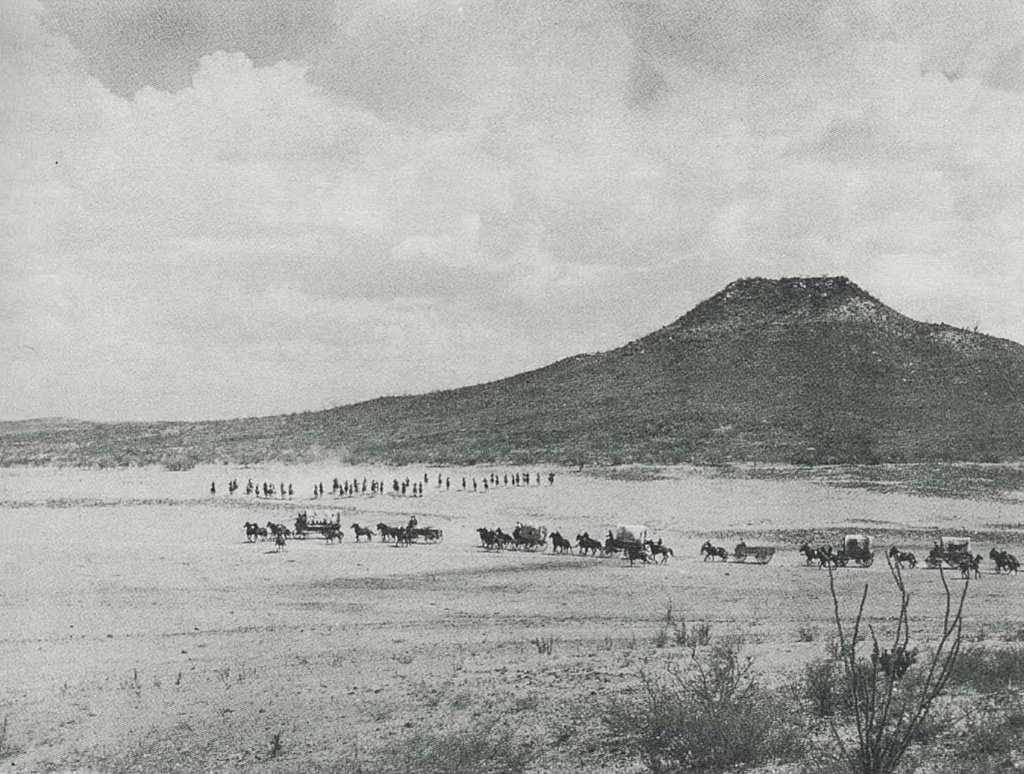
A long shot takes in the entire area of action, establishing who is involved and where. Players’ entrances, exits, and movements should be shown whenever their location is narratively significant. Long shots lend scope to a picture and should be used to re-establish the scene after considerable player movement. They are kept to a bare minimum in television films because of limited resolution.
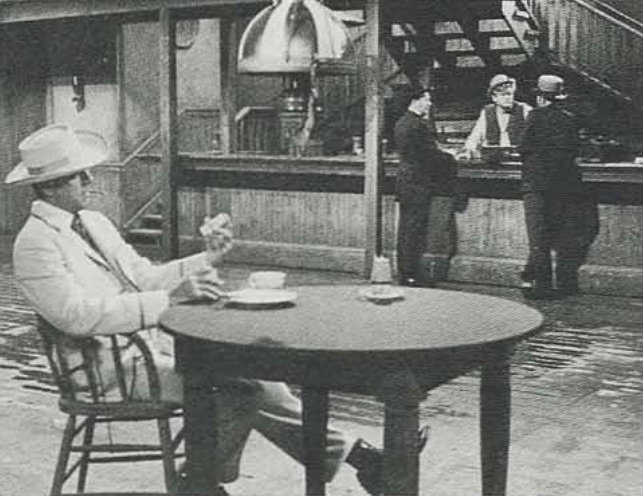
A medium shot frames players from above the knees or just below the waist, comprising the bulk of most films. The two-shot is the most dramatically useful, featuring two players exchanging dialogue. The most widely used version places both players in profile, but the main problem is that neither can dominate if equally well lighted. Dominance is achieved through dialogue, action, or favourable lighting. Two-shots may be angled and played in depth, so that the nearest player is turned slightly away and the farther is positioned at a three-quarter angle. Player and camera movement should bring players together naturally; they should not be filmed standing flat-footed toe-to-toe unless the script requires it.
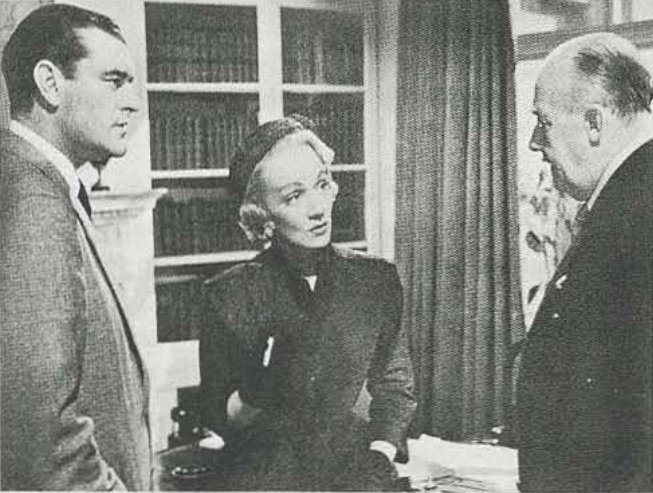
Inserts are full-screen close-ups of printed matter, usually filmed after principal production. They should be filmed loosely to avoid wide-screen cropping.
Professional production personnel use many descriptive terms to identify shots further:
A pan shot revolves the camera on its vertical axis to follow horizontal action. A dolly, crane, or boom shot moves the camera on a platform. A follow shot or tracking shot moves the camera alongside travelling players or vehicles. A low-shot angles upward; a high shot looks down. A reverse shot is made from the opposite direction of the previous shot. A cut-in cuts directly into a portion of the previous scene. A cut-away depicts secondary action occurring elsewhere. A reaction shot is a silent close-up of a player reacting to what another player is saying or doing. These terms are usually employed in combination, such as “a wide-angle, low-angle dolly shot.”
Mascelli criticises cameramen who think only in a by-the-numbers long-shot-medium-shot-close-up progression. Relative terms have different meanings to different people, and shots should be defined with regard to the subject matter and its image size in relation to the frame.
Subject Angle
All subject matter has three dimensions. When an object presents only a single surface, it appears flat. The cameraman should strive for approximately a forty-five degree (three-quarter) angle, recording two or more surfaces to produce a convincing three-dimensional effect. This records people with roundness, solid objects with multiple surfaces, and converging lines producing perspective. Shooting square-on should be avoided except where flat front treatment is specifically required, such as public buildings, stages, or courtrooms.
Camera Height
Level angles film from eye-level and produce the least distortion. Close-ups should almost always be filmed from the subject’s eye-level so the audience sees the person on an eye-to-eye basis. Mascelli stresses that many non-theatrical cameramen shoot seated subjects from standing eye-level, producing unflattering downward angles recording the top of the head and half-closed eyelids. P.o.v. close-ups are filmed from the opposing player’s height when a difference in height exists, with the camera cheated to simulate the up-or-down look. Slight variations from eye-level may correct facial faults: a turned-up nose may benefit from a slightly higher angle, a weak chin from a slightly lower angle.
High angles look down on the subject. They establish geography, reveal action occurring in depth, reduce a player’s stature, and slow fast-moving action (greatest toward or away from the camera, less apparent cross-screen). They are excellent for belittling a player who has lost prestige, or for the subjective camera looking down from an airplane, tall building, or mountain peak.
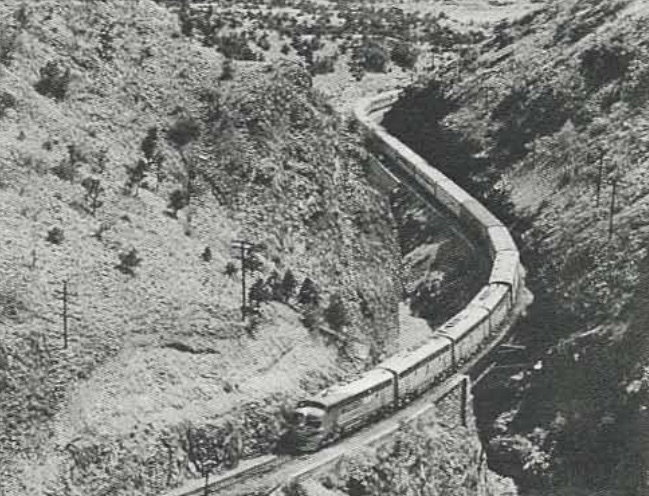
Low angles look up. They inspire awe, increase height and dominance, separate players from backgrounds, eliminate unwanted foreground, drop the horizon, distort compositional lines for a more forceful perspective, position subjects against the sky, and intensify dramatic impact. Low angle shots of religious objects may inspire awe because the viewer looks up to a symbol of authority. The dominant character may be given prominence by being positioned slightly forward of a group and filmed from a low angle, causing him to tower over the others. A low angle is excellent for cheating reaction close-ups against the sky, removing all background identity so they may be filmed almost anywhere at any time.
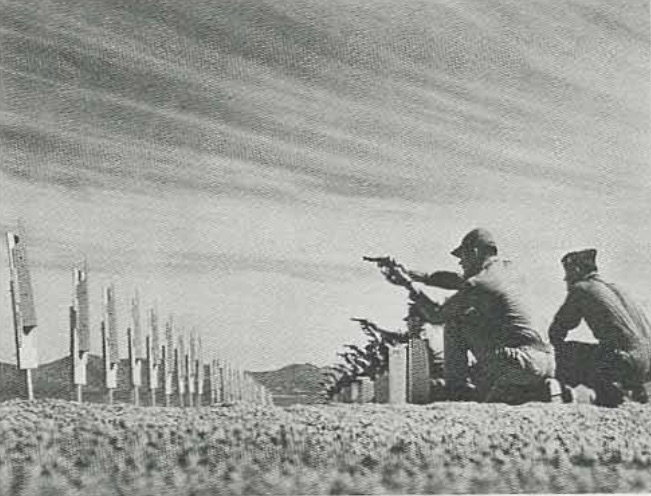
Angle-plus-angle combines a side angle with an upward or downward tilt. This records the greatest number of facets, produces the most forceful linear perspective, and delivers the strongest three-dimensional effect. It eliminates the two-dimensional flatness of straight-on angling and the dullness of a level camera. A three-quarter low angle with a wide-angle lens adds tremendous illusion of speed and power to moving vehicles, which develop long sleek lines as they approach and become larger and higher in the frame. Tracking shots filmed with a camera tilted slightly upward cause the background to slope away from the players, excellent for frenzied chase scenes.
Dutch tilt angles deliberately slant the camera to create off-balance images for depicting violence, emotional disturbance, or impressionistic sequences. They should be definite and deliberate, not slight enough to appear accidental, with sufficient angle to throw the image off balance but not so steep as to appear on its side. An image slanting to the right is active and forceful; to the left, weaker and static. A slanted horizon from lower left to upper right suggests ascent; upper left to lower right suggests descent. Dutch angles are most effective from a low camera set-up with a wide-angle lens and three-quarter camera angle, recording the most violent angling, greatest separation of subject and background, and most forceful perspective.
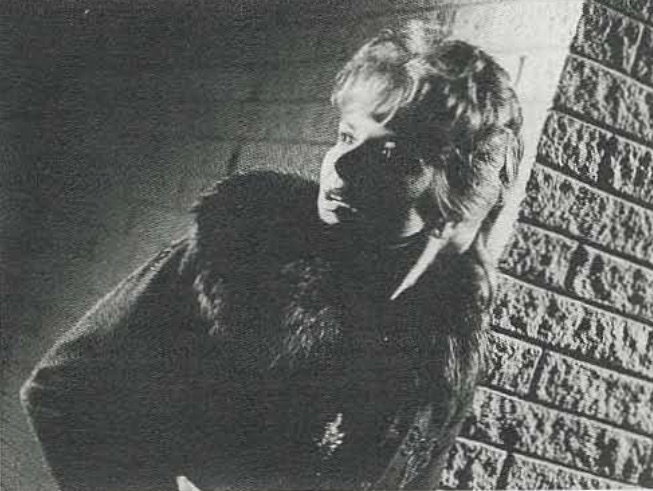
Pairs of opposing tilt shots should employ the same degree of tilt in opposite pattern. The camera may start level and then abruptly tilt to depict a change in events.
Employing Camera Angles
Image sizes and angles can be combined in progressive series (increasing or decreasing), contrasting pairs (dramatically different shots in opposition), or repetitious series (similar sizes and angles). Mascelli argues that filmmakers who rely on monotonous progression produce tedious results. Effective visual storytelling integrates all three patterns. A definite change in both image size and camera angle must take place between consecutive shots; slight changes in either will appear as jump-cuts. Image size and camera angle should be integrated so they match: progression in size should also employ angles that move around the subject; contrasting pairs should contrast in both size and angle.
Changing Camera Angle, Lens, or Both
The angle, lens, or preferably both should change every time the camera stops during continuous action. Moving the camera with the same lens is better than changing lenses from the same position. The best results come from repositioning the camera and choosing an appropriate lens for each set-up. Simply switching to a longer lens from a fixed position produces a flat “pop-in” magnification effect.
The camera should be moved in and around to the side for closer shots, not straight in, whenever players relate across the screen. This results in decided changes in image size, camera angle, and lens height. Moving in and around also helps cover inadvertent mismatches because the audience views players from a completely new angle.
The zoom lens does not lend itself well to this treatment because, unless positioned on a dolly boom arm, it cannot be lowered as the lens is zoomed into a close-up. It is useful only when the camera would be moved straight in, such as when an actor is centred and relates with others on each side.
Scene Requirements
Camera angles are influenced by:
aesthetic factors (compositional elements, player movements, the relationship between players and background)
technical factors (equipment limitations, electrical power, accessibility of locations)
psychological factors (how camera height and angle influence emotional response, whether the audience should be detached or intimately involved)
dramatic factors (whether the subject calls for restrained or forceful treatment; inherently dramatic material needs little special camera treatment while static or prosaic subjects may be enlivened by imaginative handling)
editorial factors (providing the editor with a logical series of shots; the cameraman should continually analyse the event through viewers’ eyes)
natural factors (sun position, weather, terrain, which restrict exterior camera angles)
physical factors (room size, fixed dimensions, ceilinged rooms, and practical constraints where the choice of camera angle often depends more on where equipment can be squeezed in than on the best angle for storytelling).
Signs and printed matter should diminish from left to right and slope uphill (lower left to upper right) so the eye can drop naturally to read the next line.
Depicting the Action
Mascelli outlines a general workflow for breaking down any event into shots. Establish the setting with a long shot or extreme long shot. Move into a medium shot to introduce the players as a group, and use close-ups for individual screen-filling shots. Employ long shots to show players in relation to the background and to allow space for movement. Use medium shots, particularly two-shots, to show important inter-action between players. Utilise close-ups to emphasise particular actions or to isolate a player. Progress inward as the action develops. Move back to re-establish the scene when needed for new developments or player movement. A shot should be held no longer than required to make its point.
The cameraman should think first of the impression the shot should make on the audience. Should the screen event influence their emotions, or should they be detached from the proceedings to evaluate events without prejudice? Only significant portions of setting, performers, and events should be depicted. Inclusion or removal of people, objects, or actions should be justified by whether they are essential to the storytelling.
Problem Camera Angles
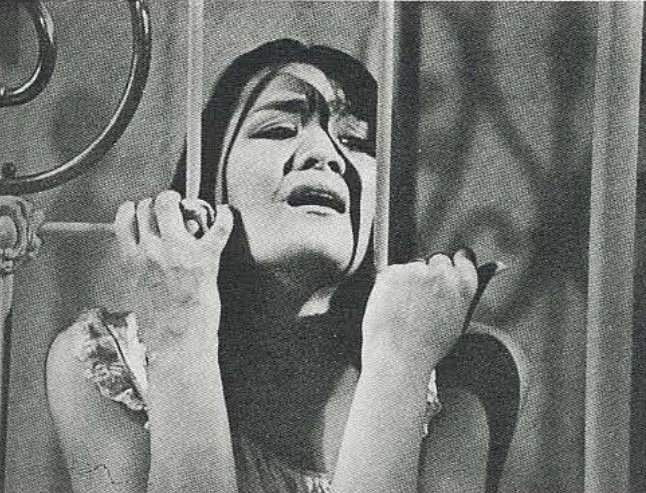
Angling the camera for a particular effect may introduce unforeseen problems. If a wide-angle lens must be employed to film a tight area, the camera should not be drastically angled or perspective distortion will be increased. Persons in the scene should not reach toward the camera, or a hand may appear enormous. Players should be kept equidistant from the camera under such conditions. Extreme wide-angle lenses record the area from front to back so that it appears lengthier than in reality, and player movement toward or away from the camera will cause the subject to grow or shrink at an accelerated rate.
Rather than resorting to an extreme wide-angle lens in a confined space, the sequence may be broken into additional shots so that several normal-angle shots are filmed. Or the camera may pan with a normal lens to cover the area. This is particularly important in industrial, scientific, and research films where distortion of tools and equipment cannot be tolerated.
Camera Angles Conclusion
Mascelli’s treatment of camera angles and movement in the 5 C’s of Cinematography emphasises visual surprise. A motion picture should present fresh viewpoints, different types of camera shots, and varied image sizes in an unpredictable pattern. A series of close-ups may be followed by an extreme long shot. A sequence may open with a close-up instead of a long shot. Settings should be viewed from the side or even the top, not always from the front. Visual variety should be the keynote, so that the audience is kept interested in what is happening and what will happen next.
Non-theatrical cameramen should consider filming more over-the-shoulder and point-of-view camera angles to involve the audience. The story should not be filmed with a stand-offish objective camera. The viewer should be brought into the picture intermittently to stand alongside the players and view the other players, setting, and action from an inside angle.
Chapter 2: Continuity and Film Continuity Editing
Core Principle
The second of the 5 C’s of Cinematography is continuity. A professional motion picture should present a continuous, smooth, logical flow of visual images depicting the event coherently. It is the continuous aspect, the continuity, that decides success or failure. Good continuity depicts events realistically. Faulty continuity distracts rather than attracts. Motion pictures create and sustain illusions; the illusion is shattered whenever viewers’ attention is distracted. Smooth, fluid, realistic continuity can contribute more to success than any other cinematic device. Understanding how to establish directional continuity in film is one of the most important cinematography techniques a filmmaker can master.
Every motion picture should be based on a shooting plan. A continuity or shooting script is a preliminary motion picture on paper. Action will flow smoothly from shot to shot only when the overall action of the entire sequence is broken down into particular actions required in each shot. Without good continuity, a motion picture would be a jumble of unrelated animated snapshots.
Cinematic Time and Space
Film can create its own time and space. Time may be compressed, expanded, reversed, frozen, or fragmented. Space may be shortened, stretched, or reinvented. A motion picture can go anywhere in time and space at any moment.
Time Continuity
Present-time continuity depicts events as if happening now, the most popular and least confusing method. The viewer has a stronger feeling of participation because neither he nor the screen characters know what will come next. Mascelli argues that most documentaries could benefit from present-time continuity, enlivening material by presenting a laboratory experiment or construction project as occurring now rather than as a past event.
Past-time continuity covers events occurring in the past and flashbacks. Historical stories are presented similarly to present-time continuity except that the audience should be aware of the time element. Stories of past events succeed only when players, story, and setting come alive as if happening now. A flashback may portray events before the present story began, retrogress to show a portion not previously shown, or repeat an earlier event. Advantages include allowing several characters to tell their portions, permitting time regression, and presenting different aspects from various viewpoints. Disadvantages include breaking up chronological continuity, confusing the viewer, demanding greater audience attention, and potentially impeding the build toward climax.
Future-time continuity covers events occurring in the future and flashforwards. A flashforward moves ahead to describe events that will, may, or could happen, and then returns to the present. It possesses few of the disadvantages of the flashback and adds a future dimension to documentary fact films.
Conditional-time continuity depicts time as shaped by a character’s mental state: dreams, memories, hallucinations, and other subjective experiences. Time may be eliminated, fragmented, compressed, expanded, distorted, or combined in any manner. It may be compared to a stream of consciousness in which unrelated real and fanciful events are intermingled. Events may be depicted in slow nightmarish motion or in a series of flash shots changed at high speed.
Space Continuity
Telling the story as action moves from place to place involves space continuity. A logical pattern of movement must be shown. Viewers should always be aware of the location and direction of movement. Space is rarely portrayed as it actually exists. Illusions of space may be created through optical transitions, by skipping unimportant areas, by altering spatial relationships, by ingenious editing, and by imaginative storytelling. Audiences have been conditioned to accept the removal of needless travel.
Filming the Action
Controlled action is any event the cameraman can direct or regulate. Uncontrolled action consists of events that cannot be staged, such as newsreels of disasters, engineering trials, flight tests, missile firings, or military manoeuvres.
Master Scene vs. Triple-Take Technique
One of the most practical contributions of the 5 C’s of Cinematography is Mascelli’s detailed comparison of the master scene vs. triple-take technique. Understanding when to use each approach is fundamental to efficient production.
The master scene technique films a continuous take of an entire event from beginning to end. Portions are later repeated from closer angles. With a single camera (standard for theatrical films), the entire scene is performed once in long shot, then repeated for medium shots, close-ups, and other angles. Both action and dialogue are overlapped for each shot. With multiple cameras, all angles are recorded simultaneously, essential for uncontrollable action or performers who cannot duplicate their actions.
Single cameras should be used on any staged action which can be precisely duplicated. Multiple cameras should be used for news events, quiz shows, panel programmes, engineering tests, or whenever people may not be capable of exact repetition. Directors of theatrical features often use multiple cameras for complicated action sequences, highly emotional scenes, or tricky stunts.
Master scene advantages: the editor receives complete coverage in duplicate from several angles, enabling wide editorial choice. He may re-edit sequences in entirely different configurations, improve an actor’s performance by inserting reaction shots, or shift dramatic emphasis to a different player. Professional actors prefer it because it allows sustained performance. Disadvantages: players must memorise entire sequences and repeat precisely. Player and camera movements must be exactly blocked out. The film-to-used ratio is greater. Multiple camera filming requires extensive planning and rehearsal, and lighting must be a compromise.
The triple-take technique overlaps action at the beginning and end of each consecutive shot rather than filming the entire event multiple times. The cameraman thinks of three consecutive shots. Action at the end of the first shot is repeated at the beginning of the second; action at the end of the second is overlapped at the beginning of the third. This link-chain procedure produces interlocking images conveying uninterrupted action when edited.
First the cameraman should acquaint himself with the sequence by having players walk through the entire action. It is usually best to begin and end with a long shot and re-establish whenever the audience should be re-oriented. The camera should begin far back from a higher angle, then move in, lower, and around to the side for medium shots and close-ups. It is best to cut after completion of a movement, then repeat the entire movement at the beginning of the next shot from a new camera angle. The cameraman should overlap all movements and not attempt editing decisions during filming.
Advantages: Greatest freedom during filming; action may be broken down into small parts and improvised. Only beginnings and ends of shots require matching, so duplication of the entire sequence is avoided. Film waste is minimised. If the subject makes a mistake, only the faulty portion needs re-shooting. The technique allows filming in chronological continuity as action progresses.
Disadvantages: May get out of hand in complex off-the-cuff shooting, resulting in a hodge-podge of odd angles and mismatched cuts. Interior lighting continuity may be very difficult to preserve since lights may have to be changed for each shot.
The two techniques may be combined within a single production. Master scenes may be attempted for portions of the action, with a switch to triple-take when needed. Since the cameraman using triple-take has already cut the sequence in the camera, little choice is left the editor. The master scene technique offers unlimited editorial selection.
How to Establish Directional Continuity in Film
Mascelli’s treatment of directional continuity is one of the most detailed sections in the 5 C’s of Cinematography, and for good reason. The direction in which a person or vehicle moves, or in which a person looks, can cause the most vexing problems in film continuity editing. An unexplained change in screen direction can result in players suddenly looking away from rather than toward each other, and vehicles appearing to reverse direction.
Even veteran directors rely on the director of photography for screen direction. A cameraman shooting off-the-cuff can get into serious trouble if he fails to pay attention. A motion picture lives in a world of its own: how the camera sees the subject is important, not how it appears in actuality. In certain instances, it is necessary to film the subject travelling in the wrong direction so that it will appear correctly on the screen.
Dynamic Screen Direction
Constant screen travel depicts motion in one direction only. If a shot suddenly depicts the opposite direction, the audience will believe the subject has turned around. Once established, direction should be maintained regardless of camera angles. When cutting from exterior to interior of a moving vehicle, the camera should shoot from the same side for a smoother transition.
Contrasting screen travel depicts motion in opposite directions for going and returning, or two subjects moving toward each other. Both directions should be decided before filming. Contrasting direction may build suspense (hero and villain approaching), predict a clash (Indians and cavalry galloping toward each other), or contribute dramatic impact (two football teams entering from opposite directions). Series of opposing shots should be filmed with progressively closer shots as the action reaches its climax, cut shorter and shorter, building from lengthy long shots to clipped close-ups and a frenzied finish.
Neutral screen direction depicts movement toward or away from the camera. Head-on and tail-away shots are neutral only as long as the moving image remains centred. Tracking shots directly ahead or behind are neutral. High or low angle shots where the subject passes directly under or over the camera are neutral. Neutral shots may be used for visual variety, greater audience impact, or to distract the audience and facilitate a switch in direction.
The Action Axis
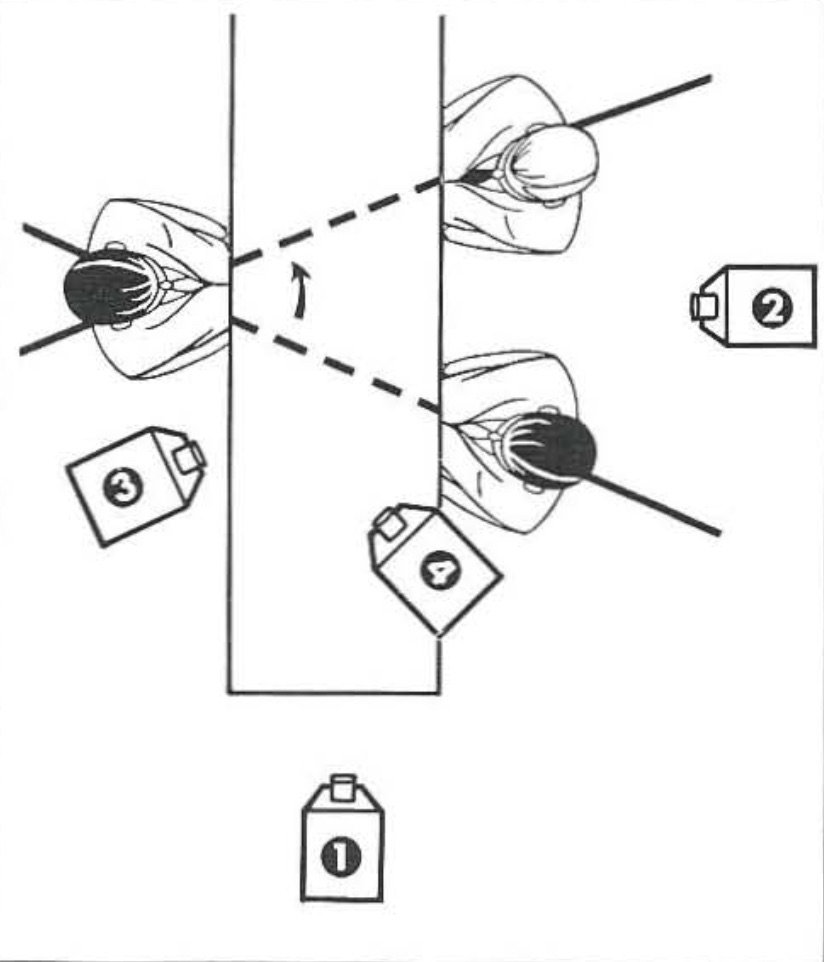
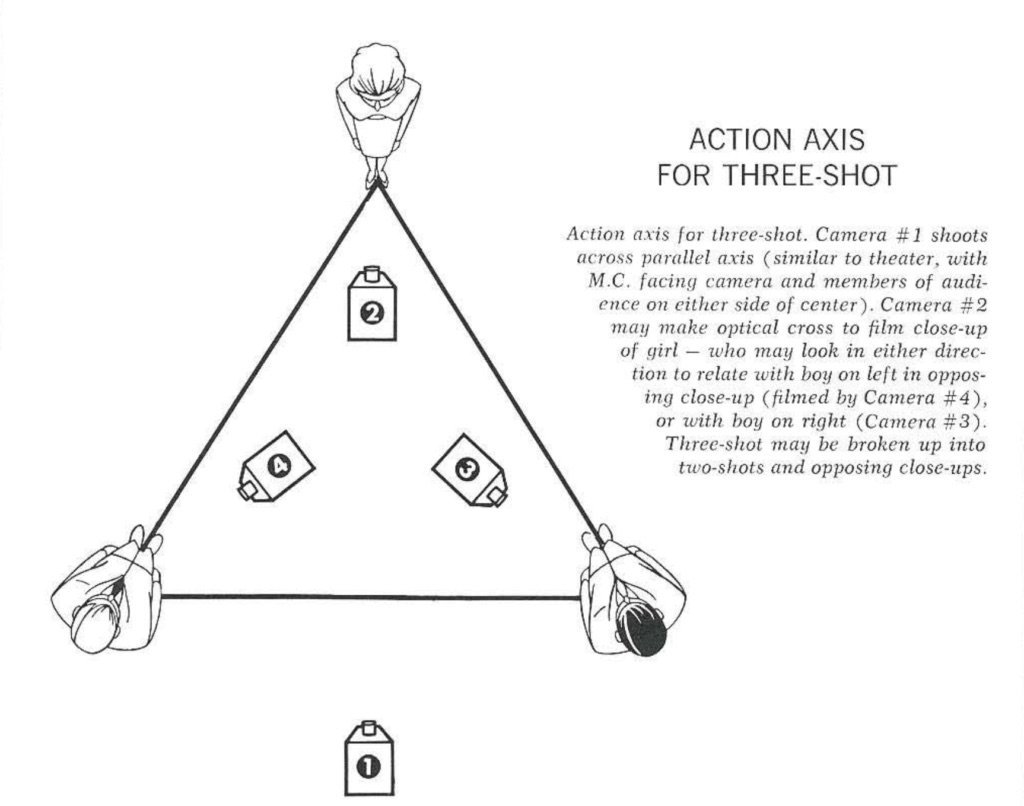
The action axis is an imaginary line along the path of travel or between two players. If all camera set-ups are positioned on one side, screen direction remains consistent regardless of camera angle. Crossing the line reverses screen direction and transposes players. This is the single most common cause of directional errors. A picture shot from script should have all travel mapped out before production begins.
On curves: The camera may inadvertently shoot across a curve and place the viewpoint on the opposite side. A long shot or pan showing the entire curving movement, entering and exiting correctly, is acceptable. A closer shot of only the curved portion will depict opposite travel. A curve may be utilised deliberately for a direction switch.
On corners: The axis should be drawn around the corner with the camera on the same side for both shots. A corner may be used to switch direction deliberately on wide turns.
Through doorways: Established directional movement need not be maintained because the subject enters a new setting, creating a “new deal.”
Cheating the axis: Both camera viewpoint and subject movement must be transposed simultaneously. If only one element is reversed, the screen movement will be wrong.
Entrances and exits should be shot clean to provide the editor with progression. A moving subject should enter and exit the frame whenever a series of shots are filmed against different backgrounds. It is impossible to depict progression if the subject is already centre-screen when the scene starts and does not exit during the shot. The camera should be started before the subject enters and stopped after exit. An exit made close to the side of the camera should be followed by an entrance in a similar manner; if the subject enters the far side of the frame in the next shot, the distance is too great to cover between straight cuts.
Reaction close-ups for switching direction: the player should follow the moving object with his head as if it were behind the camera, producing opposite screen movement. This may seem illogical, but it is correct.
Reversing screen direction: Established direction should be preserved if at all possible, or explained if necessarily reversed. Cutting from movement in one direction to the opposite direction without explanation will confuse the audience. Methods for reversing include showing the subject turning around, shooting across the axis on a curve or corner to allow exit on the wrong side, inserting a reaction close-up of an observer viewing the new direction, using a head-on shot which exits the wrong side, or cutting to the interior of a vehicle and working the camera angle around to the new direction.
Map direction: Travel over great distances should use East on the right and West on the left, North ascending from lower left to upper right, South descending from upper left to lower right.
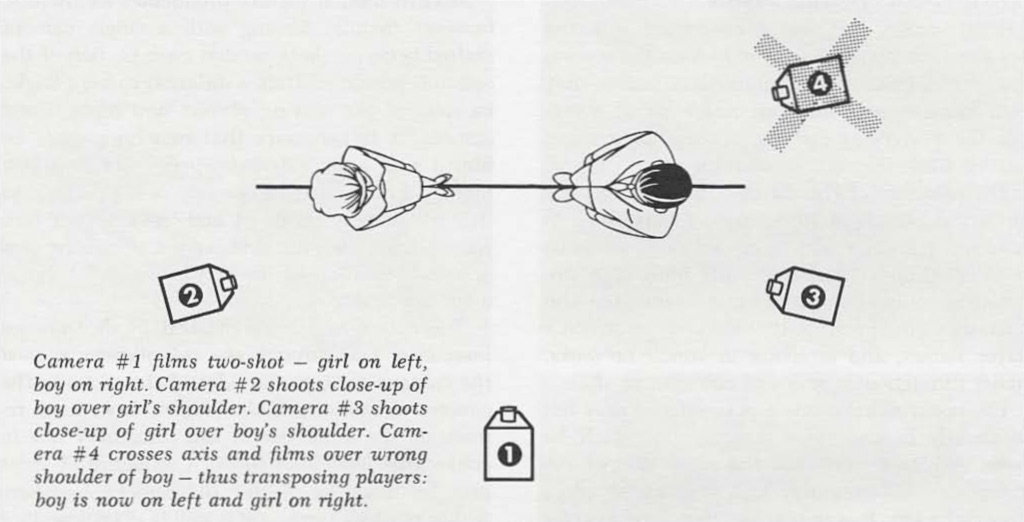
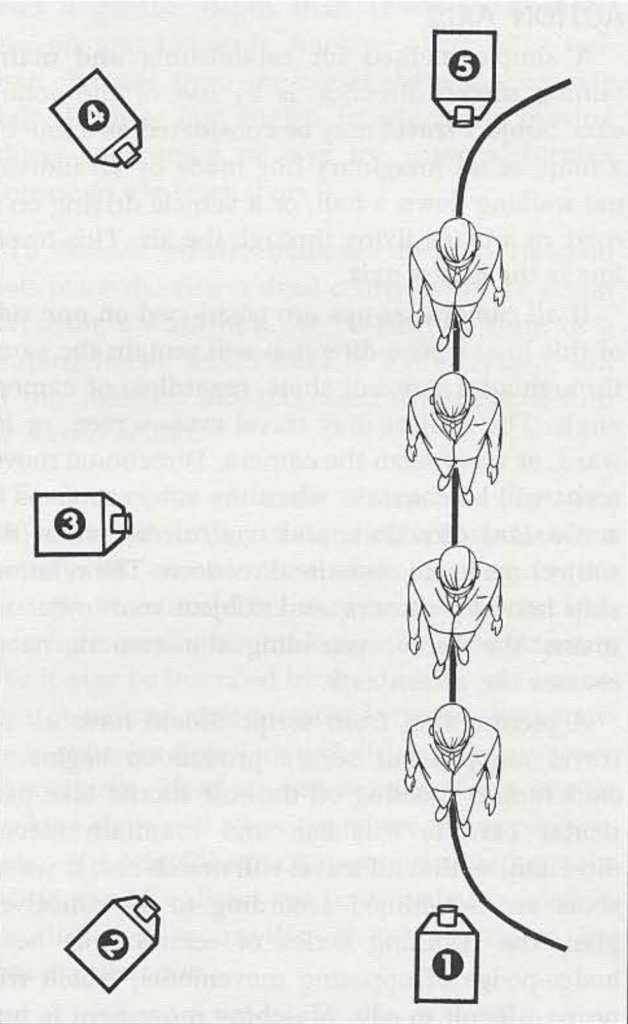
Static Screen Direction
Static direction concerns the way players face and look when at rest. The action axis is established by drawing an imaginary line through the two players nearest the camera on opposite sides of the picture. The camera viewpoint and players’ looks must remain on the same side in consecutive matching shots. If the camera crosses the line, players will be transposed. The camera may cross optically (moving physically across but maintaining the same viewpoint angle) to film a player in the rear of the set.
Matching the look: The eyes govern the look. A perfectly centred person facing the camera may look either right or left without moving his head. Any change in look must be shown; it must not occur between shots. When players move during a scene, the axis moves with them and must be redrawn at the end of each shot. Anything may change during a shot; nothing must be changed between shots.
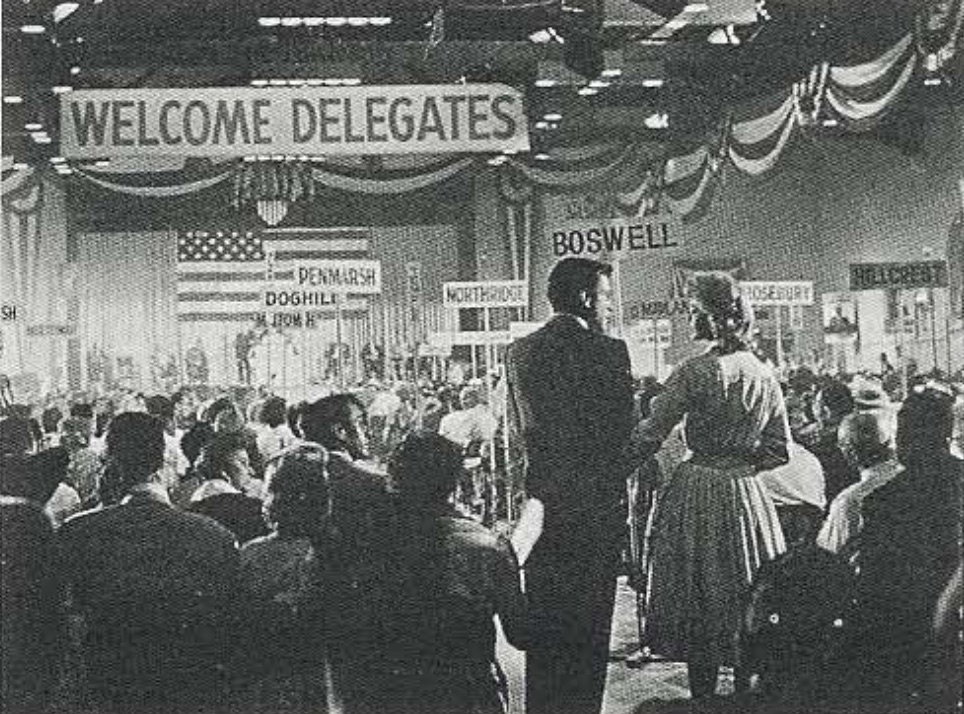
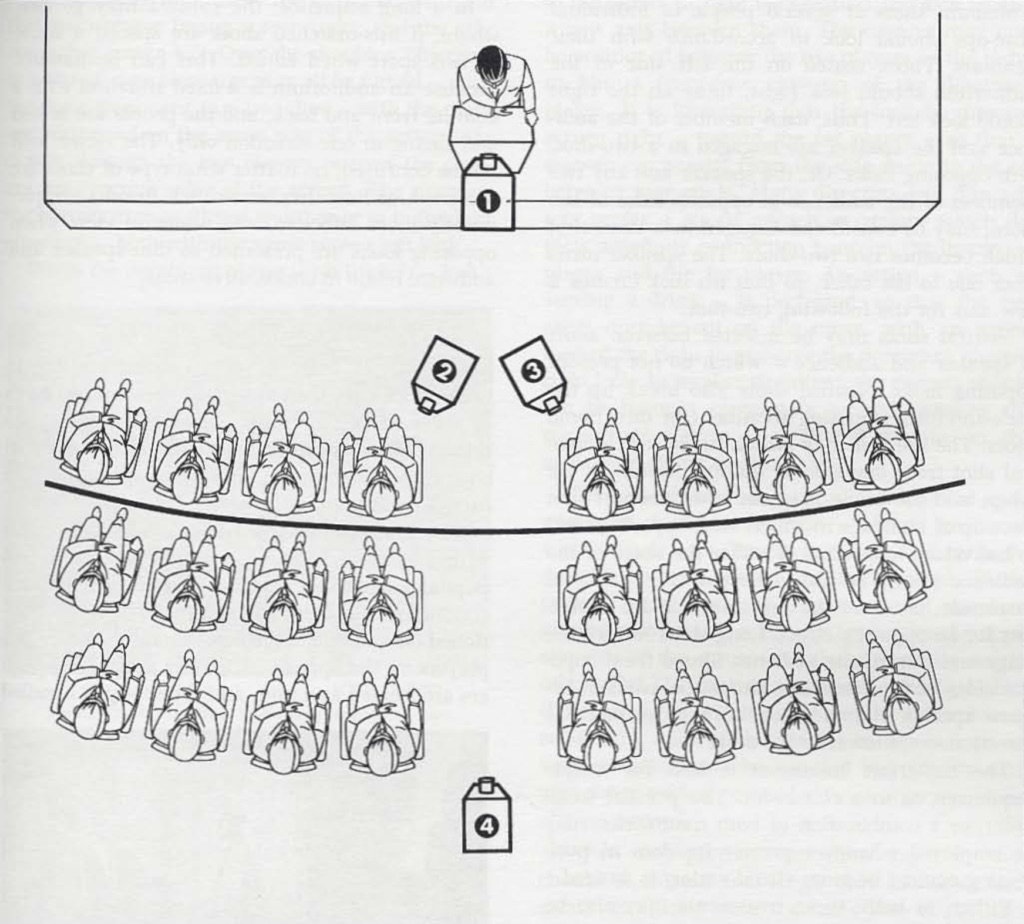
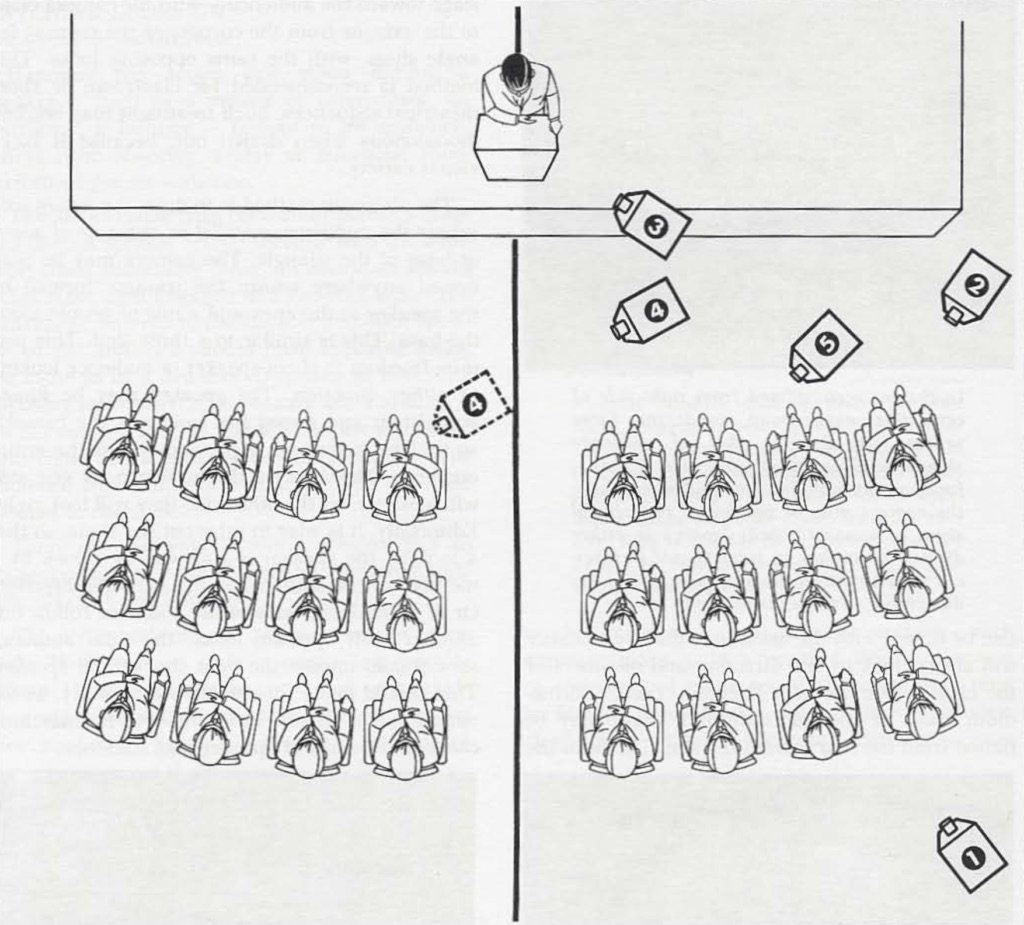
Mascelli provides detailed coverage of matching looks on master scene cut-in shots, speakers and audiences (using centreline or parallel axis methods), three-player configurations, and groups seated around a table. For speakers and audiences, the simplest method draws the axis down the centre aisle, with the camera on one side shooting toward the centreline for opposing looks. The alternate method draws the axis parallel to the audience, permitting the speaker to sweep his look past the camera. Both methods may be combined for visual variety.
Reverse Shots
Reversing the camera may transpose players and introduce a different background. Matching problems are eliminated by following the action axis. The camera may be freely reversed in theatres, churches, courtrooms, or vehicles because people are positioned in fixed seats with distinct fronts and backs.
Bridging Time and Space
Fades bracket sequences like chapters and should be used sparingly. Dissolves blend scenes for time lapses, location changes, or to soften abrupt transitions. Matched dissolves use similar forms, motions, or content. Distorted dissolves may introduce flashbacks. Wipes push one scene ahead of another. Montage transitions condense time or space through a series of short scenes creating a cumulative psychological effect.
Sound transitions use narration, monologue, dialogue, music, and sound effects to bridge time and space. Telephone conversations provide excellent means for switching locales. Familiar songs may establish locations. Music bridges simplify identification. It is often better to introduce sound before the picture appears, since the ear takes longer than the eye to note what is transpiring.
Chapter 3: Cutting (Editing)
Core Principle
The third of the 5 C’s of Cinematography is cutting, or editing. Mascelli compares the process to cutting, polishing, and mounting a diamond. Both diamond and film are enhanced by what is removed. What remains tells the story. The film editor strives to impart visual variety through skillful shot selection, arrangement, and timing, recreating the photographed event to achieve a cumulative effect often greater than the individual scenes put together. Understanding film continuity editing from the cameraman’s perspective is essential, because the editor can only assemble the picture from the footage provided.
This chapter is aimed at the non-theatrical cameraman filming without a shooting script, a script girl, or a director. Everyone involved should understand editorial requirements and consider each shot from that standpoint. Every editing decision possible should be left to the editor.
Much of the editor’s work on non-theatrical films consists of covering or correcting shooting mistakes: mismatched footage, missing scenes, cutting on camera movement, covering jump-cuts. An experienced editor can often cheat-cut a picture with such imagination that the completed film depicts a screen story conceived on the cutting bench. However, the cameraman should not let the editor’s skill become a crutch.
Types of Film Editing
Continuity cutting depends on matching consecutive scenes so that continuous action flows from shot to shot. Players’ movements, positions, and looks should match across straight cuts. A mismatch results in a jump-cut. It is always wiser to move the camera closer and to one side rather than straight in, because a mismatch is much more noticeable when the only change is magnification. When the camera is moved back from a closer shot, it is necessary only to match the action shown in the previous close-up. Cutting from a long shot to a close-up and back permits considerable cheating because the audience is momentarily distracted.
Cut-aways need not match previous scenes because they are secondary action, but if previously established players are moved off-screen, their cut-away close-ups should maintain the correct look.
Compilation cutting is used in newsreels and documentary-type films. The sound track holds the narrative together. Individual shots simply illustrate what is being heard and need have no visual connection. Every rule in the editing book may be broken if the narration makes sense. Most films use elements of both approaches.
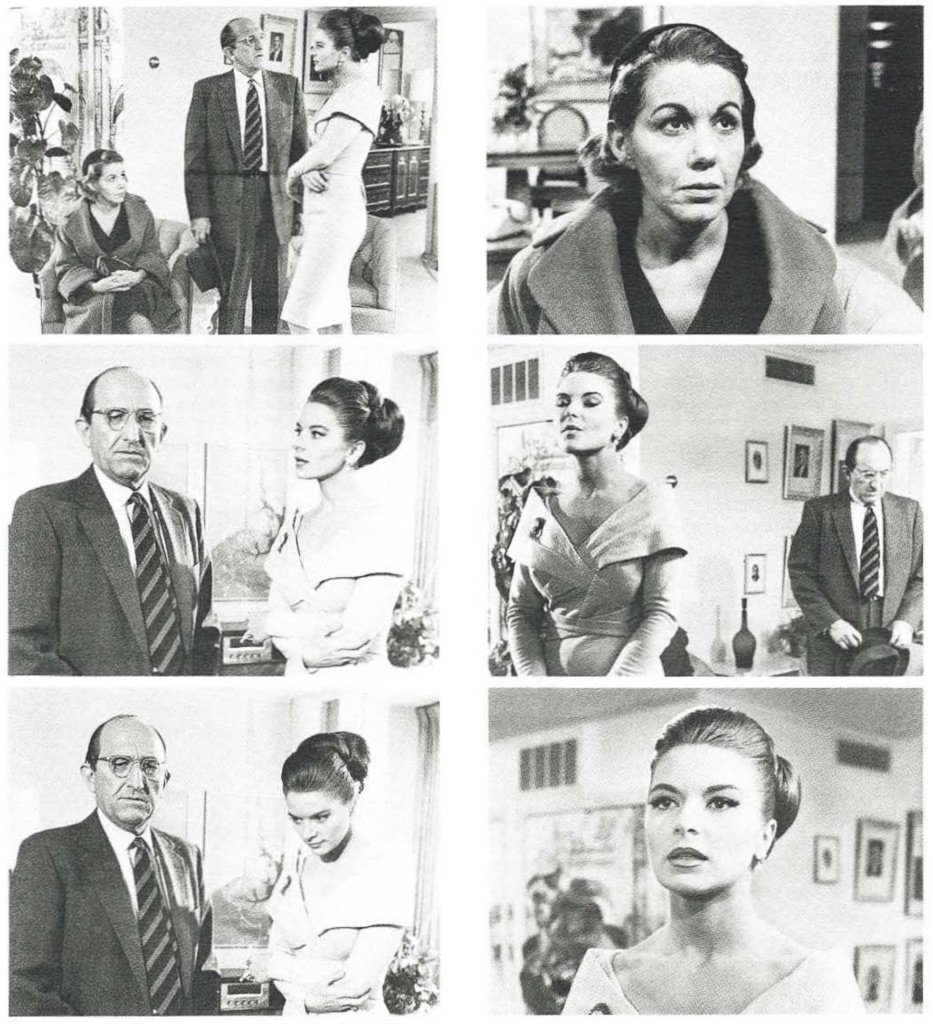
Cross-Cutting
Cross-cutting alternates between two or more events. It may heighten interest, provide conflict, increase tension, build suspense, make comparisons, or depict contrast. Events may be simultaneous but separated in space, or separated in time for comparison. The first shot in a series should be treated as an establishing shot with slightly greater screen length. Cross-cutting should not be regarded as strictly a theatrical device; it may be used advantageously in documentaries.
Cutting on Action
Editors prefer to cut on movements to mask the splice. The cameraman should never cut during significant movement but should film all action to completion and repeat the end at the beginning of the next shot. Many non-theatrical cameramen pride themselves on cutting on action in the camera, but this severely handicaps the editor. Cut-in close-ups should be made of all lengthy movements. Always move players into and out of close-ups to allow cutting on action. Statically positioning a player in a close-up forces the editor to complete all movement in the wider shot before cutting.
Moving Shots and Static Shots
Continuous player or vehicle movement may be carried across both static and moving camera shots. However, inter-cutting static and moving shots of static subject matter is generally difficult because the switch is abrupt and jarring. A pan, tilt, or dolly shot of a static subject should always be filmed with a static camera at the beginning and end, so the cut is across static frames with movement sandwiched in between.
Mascelli makes the counterintuitive observation that straight cuts are always faster than moving shots because they come to the point immediately. A long pan or dolly often contains useless footage included simply to allow the camera to travel. The camera should record significant action en route, not just at its destination. Unless dramatically motivated, several static shots that may be straight-cut are better than a long moving shot that drags.
A static shot of a player moving into frame should be filmed with a locked camera. Sneak framing, where the cameraman nervously adjusts during the shot, complicates match-cutting and cannot be tolerated in production filming.
Protection Shots
Extra scenes filmed to cover unforeseen editing problems. Pans and tilts may be filmed at various speeds and in both directions. Lengthy moving shots should be protected with static shots of each end. Dutch angle shots should be tilted both left and right. Reaction close-ups should be filmed for insertion in lengthy scenes. “All-purpose” reaction close-ups with the player looking in all possible directions may be cut in anywhere and are particularly useful against neutral backgrounds.
Dissolves
Dissolves should be used for credit titles, time or space transitions, or flashbacks, not as a crutch for covering jump-cuts, directional changes, or sloppy editing. Experienced theatrical editors have speeded storytelling by eliminating dissolves wherever possible. Some documentary editors have increased their use to cover shortcomings. If the producer would make the editor justify each dissolve, fewer would be used.
Sound Editing
Match-cutting sync-sound is inherently more difficult than silent footage because both action and dialogue must match across straight cuts. The editor must cut to the sound track and accept whatever visual action accompanies it. Sound should flow across scenes rather than starting and stopping in parallel with the picture. Editors prefer to continue the speaking player’s track over reaction shots of listening players, creating a natural back-and-forth rhythm. Over-the-shoulder close-ups should be filmed in their entirety on each player, providing reaction shots of both as they actually listen to each other’s speeches. The camera should never be stopped in the middle of important dialogue.
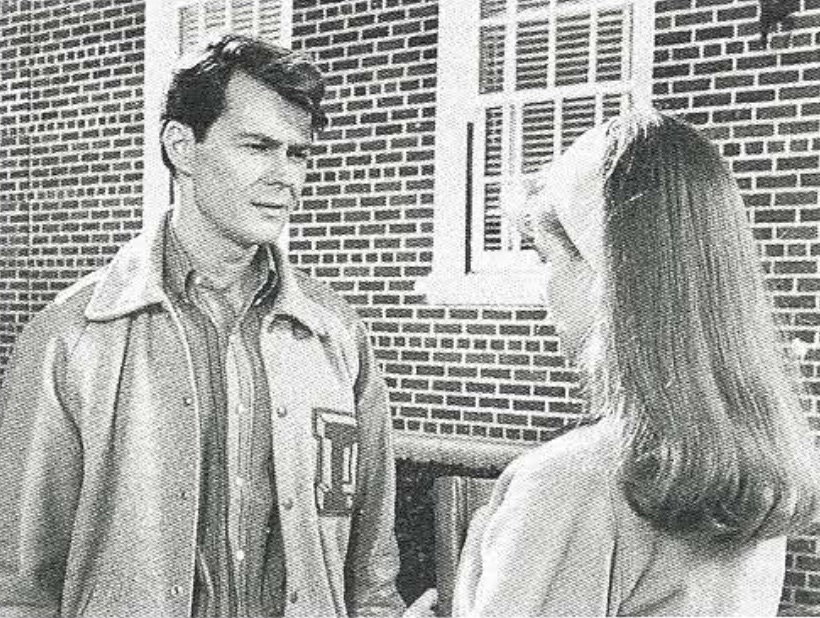
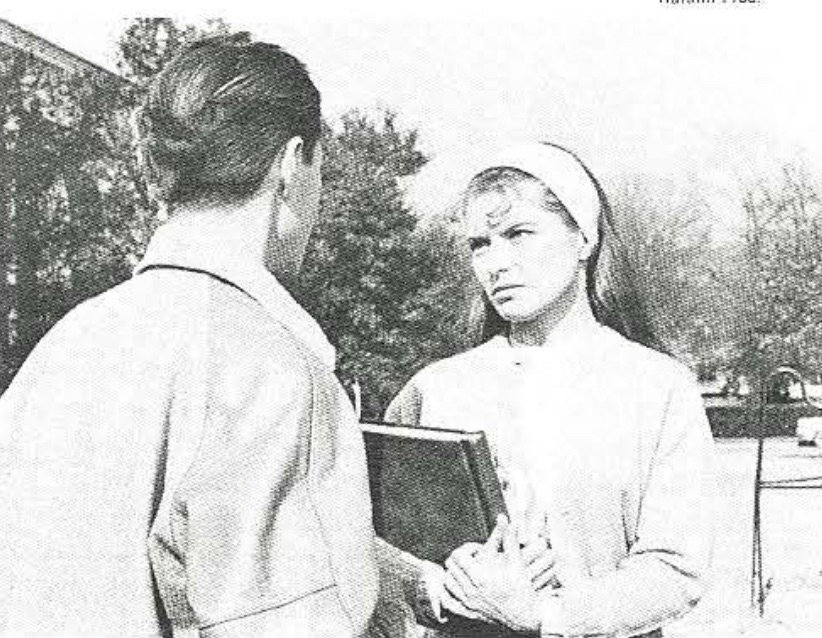
Cutting and Composition
Compositional elements should remain in the same relative area of the frame in a series of matching scenes. Shifting compositional elements between shots may confuse the viewer. Changing both the camera angle and the image size aids in obtaining smooth cuts because the camera viewpoint is shifted as the image size changes. Shifting the viewpoint, rather than moving straight in or out, will cover minor mismatches and changes in furniture, props, or background objects.
On occasion it may be necessary to remove or cheat an object’s position to make it appear correct in a series of shots. A lamp may seem too close to a player because of a change in lens focal length. A picture frame which seemed far away may suddenly appear behind a player when the camera moves around for a close-up. If the object cannot be removed because it would be obviously missed, it should be cheated so that it looks right. If the sequence requires a re-establishing shot, the object must be moved back.
Cameraman Can Learn from Film Editor
A cameraman can learn much in the cutting room, either by observation or from comments of an experienced editor who can provide constructive criticism of coverage. The cameraman should learn how to break down an event into individual shots by deciding what type of shot is required, which camera angle and movement should be used, where to insert significant close-ups, when to provide reaction shots, and why protection shots are important. Understanding difficulties involved in matching, timing, and arranging scenes will give the cameraman editorial insight on future assignments and enable him to appreciate the editor’s problems.
Editorial Requirements
All footage must meet three standards. Technical: uniform photographic quality with no noticeable visual or audio differences. Aesthetic: images pleasing to watch, realistic within the context, with the primary aim of selling the subject, not the photography. Narrative: logical, coherent, building in interest. Each shot should make a point. The all-important goal is to make the audience care about the people and events depicted.
The film editor cannot change screen directions, tonal values, composition, lighting, camera angles, or player movement. He cannot insert non-existent close-ups, cover jump-cuts without reaction shots, or assemble a motion picture from haphazardly filmed footage.
Chapter 4: Close-Ups
Core Principle
The fourth of the 5 C’s of Cinematography is the close-up. The close-up is unique to motion pictures. A face, a small object, or a small-scale action may be selected from the overall scene and shown full-screen. The close-up may transport the viewer into the scene, eliminate all non-essentials, and isolate whatever significant incident should receive narrative emphasis. Close-ups are among the most powerful visual storytelling devices in film and should be reserved for vital spots so their intended impact is assured. They should be considered from both visual and editorial standpoints, and understanding when to use cut-away vs. cut-in close-ups is a key cinematography technique.
Close-Up Sizes
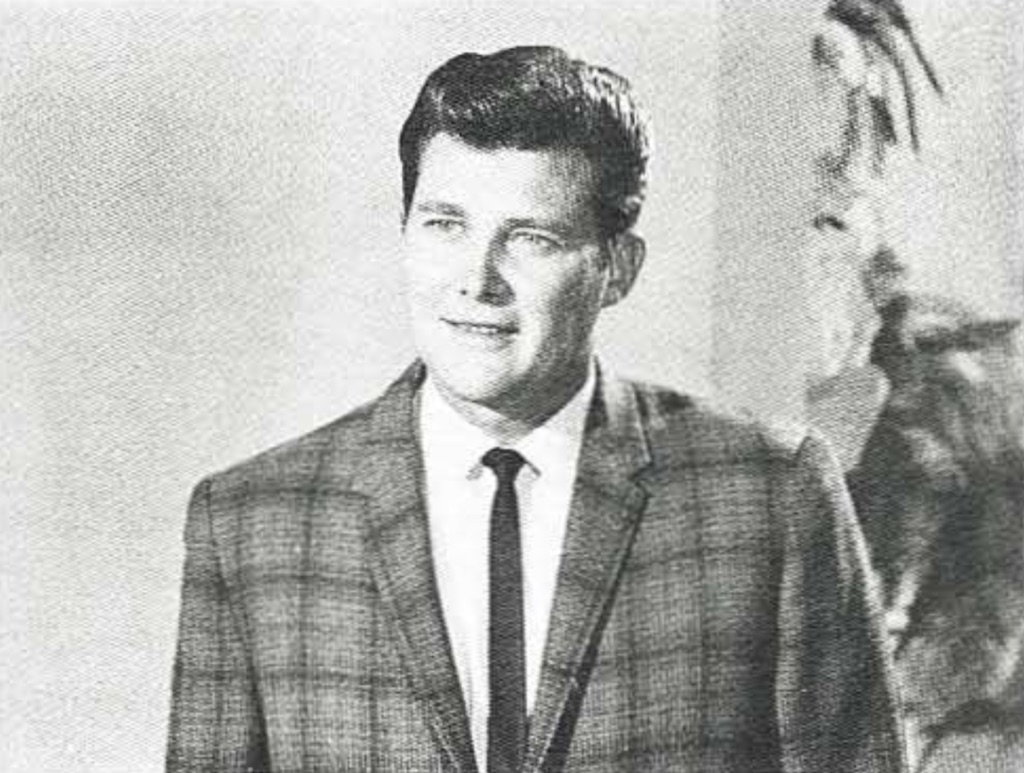
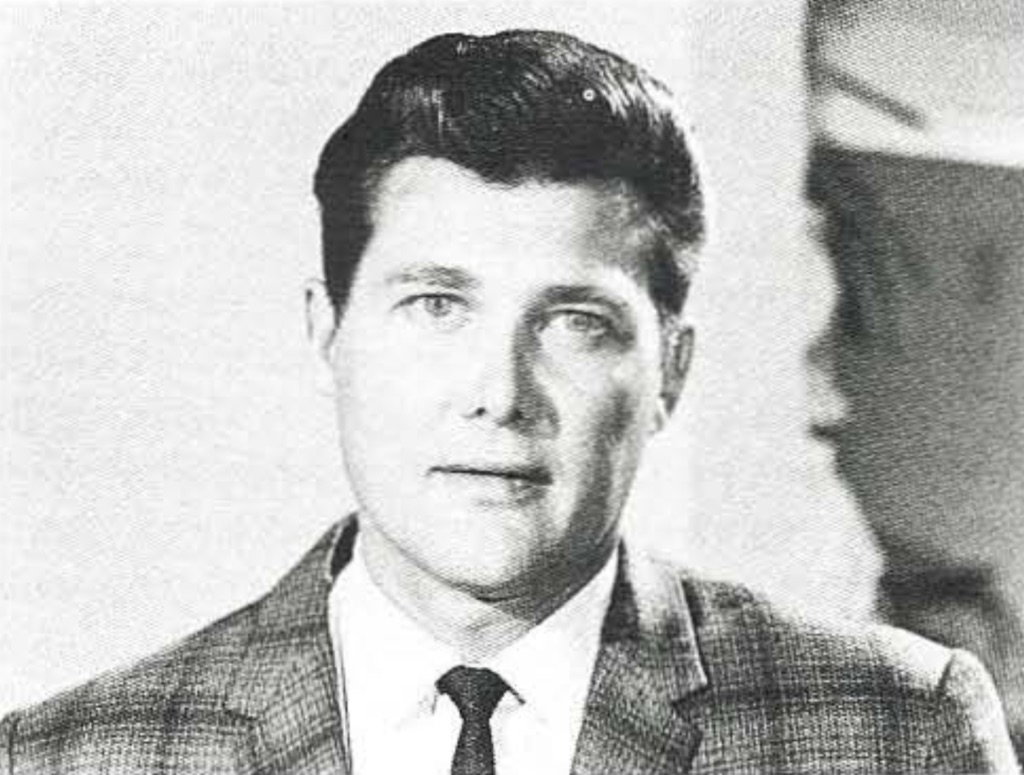
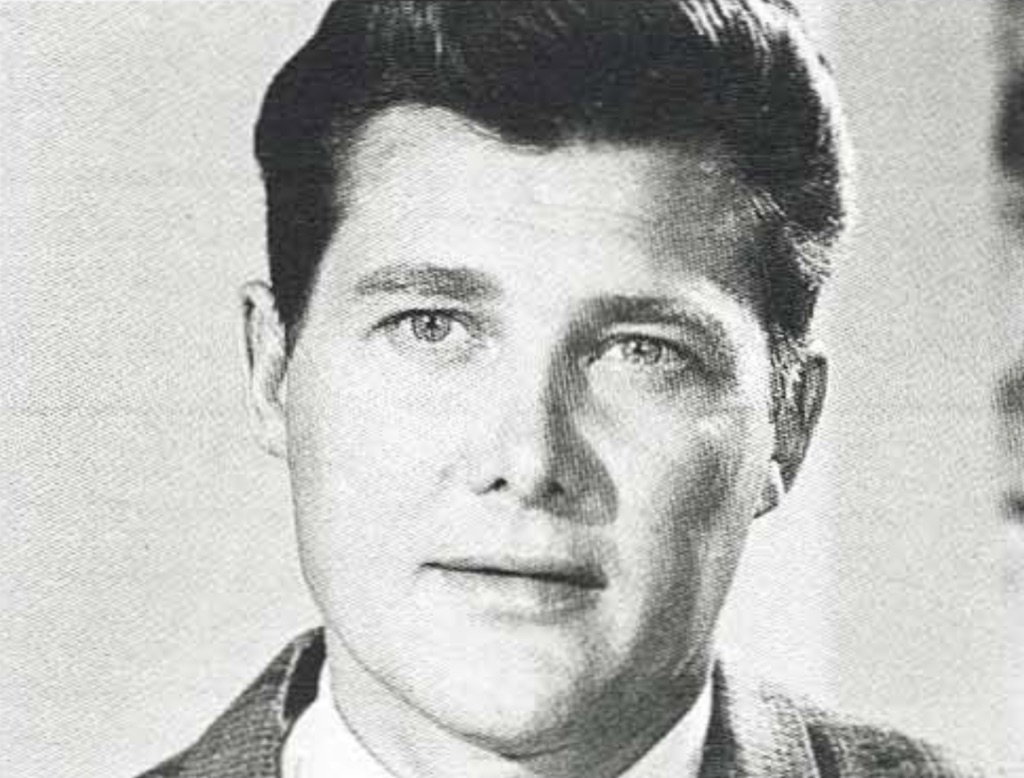
Medium close-up: midway between waist and shoulders to above the head. Head and shoulder close-up: below shoulders to above head (the default if not specified). Head close-up: head only. Choker close-up: below lips to above eyes. Extreme close-ups: full-screen shots of tiny objects or small actions.
Over-the-Shoulder Close-Ups
A purely cinematic device showing one player over the shoulder of another. The foreground player should be seen from a rear three-quarter view with the cheek line visible but not the nose. If the nearer player’s features become identifiable, the scene is a two-shot. These should be filmed in matched pairs with camera distance, angle, and image size approximating each other. An exact match is sometimes difficult between players of different body contour, head size, or height.
When to Use Cut-Away vs. Cut-In Close-Ups
Understanding when to use cut-away vs. cut-in close-ups is essential to effective visual storytelling in film. The two types serve different narrative and editorial purposes.
Cut-In Close-Ups
A magnified portion of the preceding scene, always part of the main action. May be filmed objectively (unseen observer’s viewpoint), subjectively (player looks into lens, most common in television and documentary), over-the-shoulder (generally in matched pairs), or point-of-view (from the viewpoint of a player in the scene, the closest the objective camera can approach a subjective angle, involving the audience most directly).
For p.o.v. close-ups, the look must be to the side of the lens regardless of camera height or angling. When player heights vary, the look must be cheated just above the lens for the player looking up and just below for the player looking down. The off-screen player should be positioned as close as possible to the side of the camera to ensure the correct look.
Uses: Playing up narrative highlights when dramatic emphasis or increased audience attention is required. Isolating significant subject matter by eliminating all non-essential material. Magnifying small-scale action the audience cannot view without strain. Providing a time lapse by allowing removal of tedious or repetitious action (the audience will accept the sequence as complete because they receive the impression of seeing the entire event). Distracting the audience to cover a jump-cut caused by mismatched or missing action. Substituting for hidden action that cannot be filmed (operations inside machines may be covered by exterior close-ups of control panels and operators).
Establishing cut-in close-ups: They should always be established in a preceding wider shot so the audience knows their location. One reason for presenting a long shot is to establish relative positions. Pull back to re-establish whenever the audience may become disoriented, particularly when close-ups involve complicated devices. Exceptions apply when suspense or confusion is the narrative intent.
Cut-Away Close-Ups
Related to but not part of the previous scene, depicting secondary action happening simultaneously elsewhere. May be filmed objectively, subjectively (for direct address in documentary or news), or from a point-of-view angle.
Uses: Presenting reactions of off-screen players (often more significant than the on-screen action). Cueing the audience on how to react (a player portraying fear stimulates similar feeling in the viewer). Commenting on the principal event (symbolic cut-aways may comment on human behaviour). Motivating a sequence (a screaming siren may motivate pilots scrambling). Replacing scenes too gruesome or expensive to depict (a bystander’s horrified reaction covers a crash). Distracting the audience to cover jump-cuts or directional changes.
Cut-away close-ups do not need to be established since they occur outside the main action. The exception is when a previously established player has been moved off-screen and must maintain the correct look matching their established position.
Close-Up Choice and Look
A cut-in is generally preferable to a cut-away because it is more intimately involved with the principal action. Between objective and p.o.v. angles, the p.o.v. is usually more effective.
Cut-in close-ups must match the looks in bracketing scenes, governed by the action axis. A close-up filmed with the wrong look is editorially useless because the player will look away from rather than toward the opposing player. Cut-away close-ups need match the look only when location is narratively significant. A series of unrelated cut-away close-ups may be more effective with alternate right and left looks. Close-ups of players on the telephone should face in opposite directions because the audience is conditioned to believe opposing looks infer players are relating.
Camera Angle and Image Size
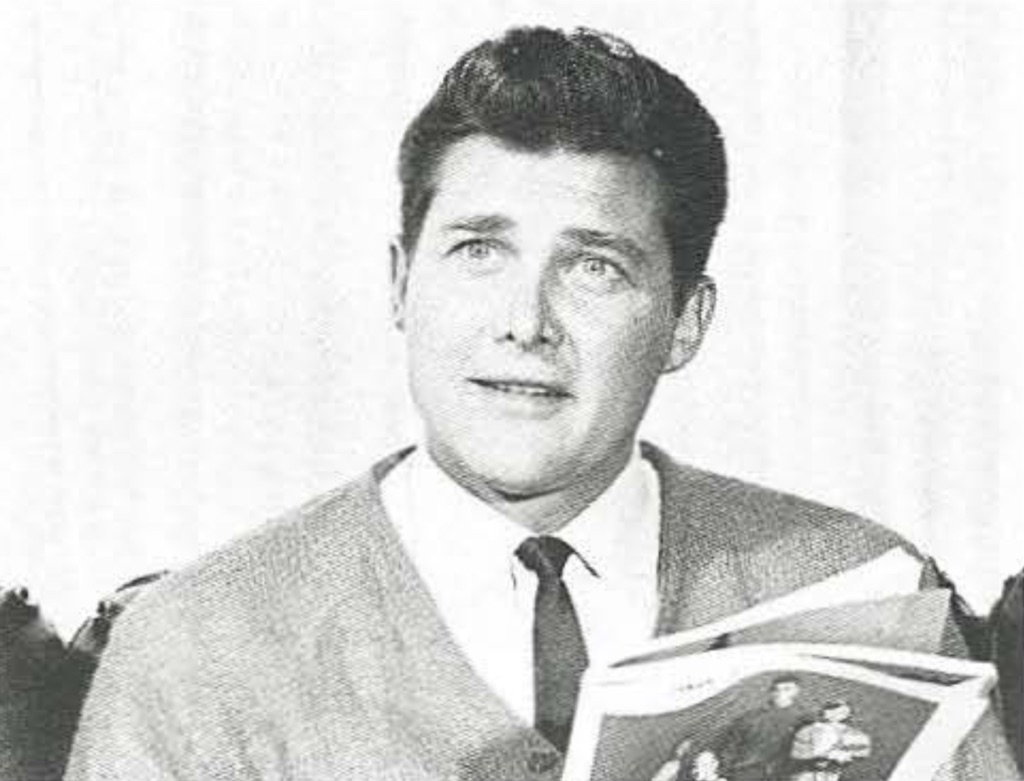
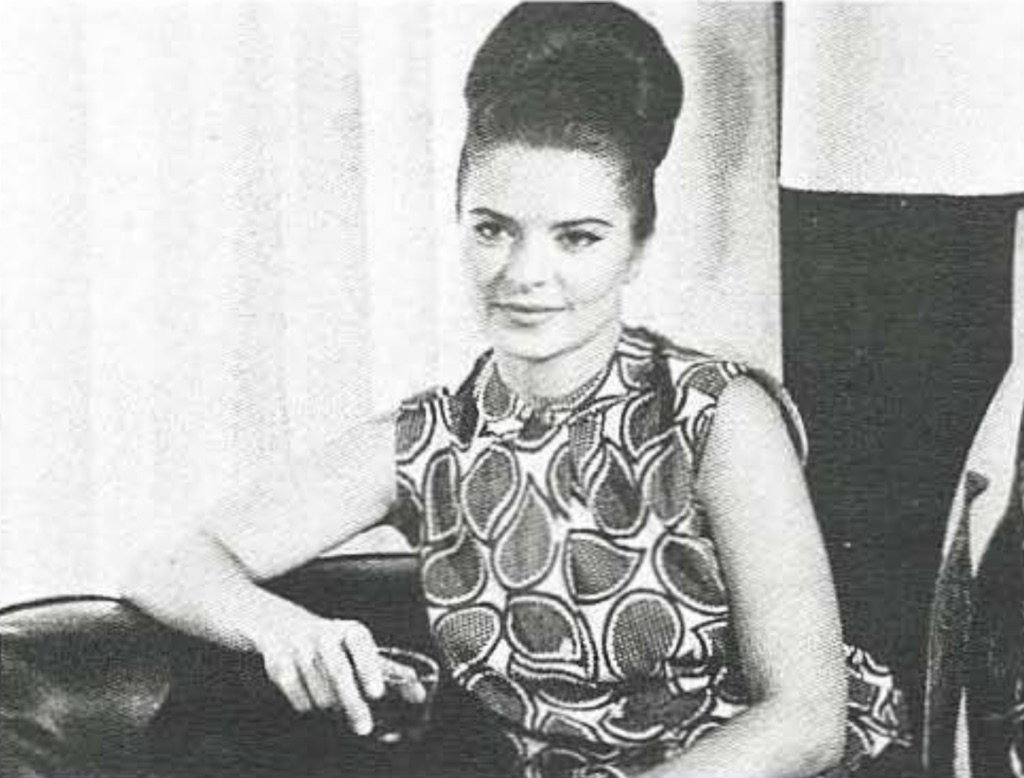
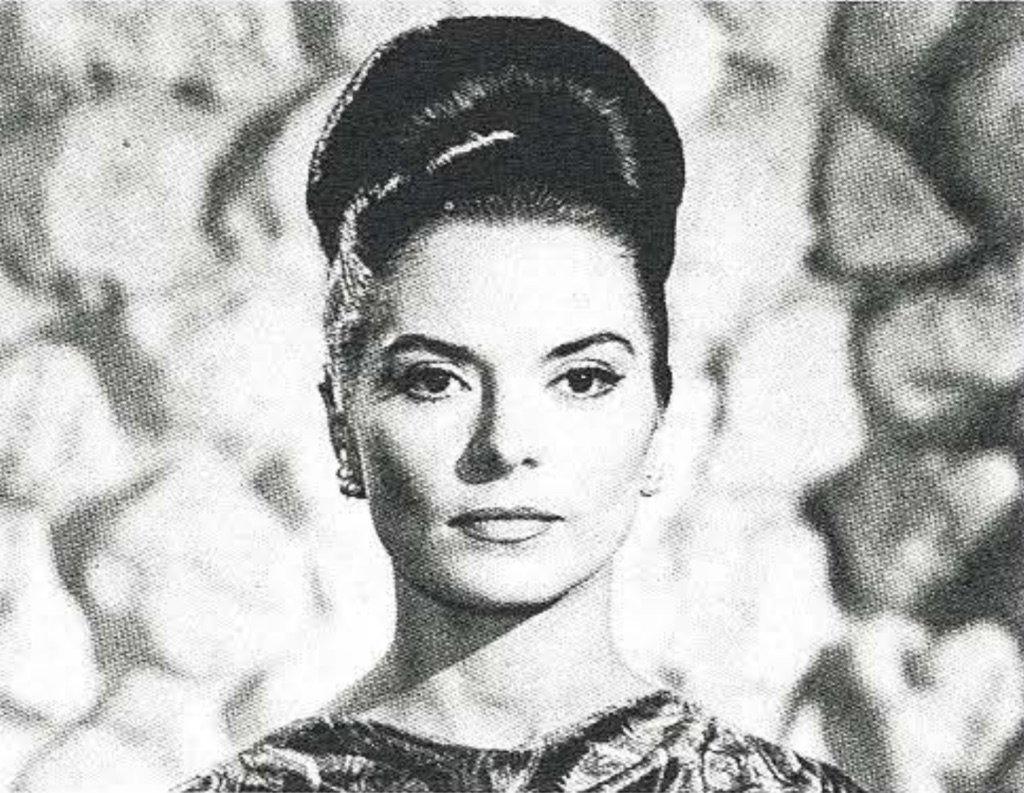
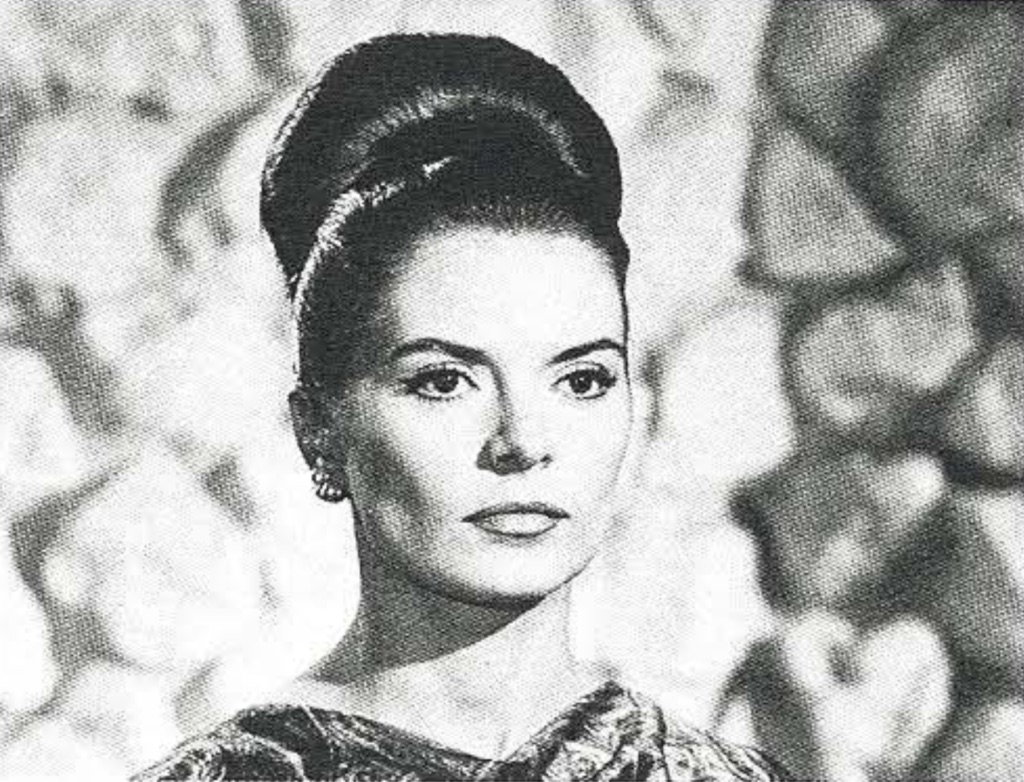
A three-quarter to front-face angle is almost invariably best because it shows more facial facets, depicting front and side of the head. Profile close-ups offer variety but lack the intimate eye-to-eye contact. Much of a theatrical cinematographer’s reputation is based on close-ups, particularly of actresses. Non-theatrical cameramen who “steal” close-ups with long telephoto lenses from long-shot positions produce poorly angled, flat, inadequately lighted results that are inexcusable on staged sequences.
Objective close-ups should be at the subject’s eye-level. Subjective close-ups must be at eye-level to maintain the performer-viewer relationship. P.o.v. close-ups should be from the opposing player’s eye-level. Matched pairs should maintain uniform image size and angle. If different types or angles are mixed, a hodge-podge of shots results.
Movement, Tempo, and Backgrounds
Players should move into and out of close-ups so the editor can cut on action. Movement should be duplicated in both the wider shot and the close-up. Editors prefer to cut on movement because it masks the splice; static positioning forces a “stop-and-go” appearance. Greatly magnified movements appear highly accelerated on screen, so small actions in large close-ups should be performed with deliberate slowness.
Close-ups should not be filmed against busy backgrounds. Nondescript, softly contrasting surfaces are preferred. Advancing colours such as hot reds should be avoided. Even a lamp with an ornate shade can be distracting. All camera angles should be planned for the sequence so that players in close-ups are not positioned against troublesome backgrounds. Moving the camera a few inches often resolves problems.
Close-Ups for Openers and Transitions
A close-up may introduce a sequence by startling, confusing, or withholding information. A close-up of a man behind bars may turn out to be a bank teller. A close-up of a roaring lion pulls back to show him caged. A close-up of an object may motivate subsequent action: a ringing telephone revealing the person answering in an upward tilt.
Pairs of close-ups similar in size, motion, or content make excellent transitional bridges. A player may be dissolved in matched close-ups to cover a time or space transition. Sound enhances these transitions through combined audio-visual effect.
Chapter 5: Composition in Film
Cinematic Composition Rules
The fifth of the 5 C’s of Cinematography is composition. Good composition is the arrangement of pictorial elements to form a unified, harmonious whole. Since viewing a motion picture is an emotional experience, composition in film should motivate audience reaction according to the script’s intent, concentrating attention on the most significant player, object, or action. The camera mechanically records all images with equal clarity; the non-mechanical factor, audience stimulation, is conveyed through direction of dramatic emphasis.
Mascelli’s cinematic composition rules are the most pliable of all the principles in the 5 C’s of Cinematography. The most dramatically striking scenes often result from rule breaking. There are times when deliberately poor composition aids storytelling: a slum clearance film would be enhanced through unbalanced, cluttered compositions that irritate the audience and express the need for change.
Good Camera Work Begins with Composition
Composing the scene is the cameraman’s function. He must arrange the various pictorial elements into a semblance of order before he can light the players and set, plot movement, break down the sequence into shots, and decide on camera angles. Until the scene is composed, the cameraman is not sure just what he is going to shoot. Even outdoors on uncontrollable subject matter which cannot be pre-arranged, the cameraman can choose camera angles that provide the best viewpoint and the best composition.
The cameraman should approach composition with the question: “What can I do with this subject matter that will aid in telling the story?” Script and subject should be analysed to determine the intended audience impact. Should the viewer be moved to pity, tears, or laughter? Should the audience be awed by beauty, vastness, or grandeur? Should they be sold on a particular product, process, or technique?
Still vs. Motion Picture Composition
A still photograph deals in space relationships only. A motion picture is composed in both space and time. The time dimension is just as important as linear dimensions. A motion picture cameraman can hold attention through sheer movement alone, regardless of poor composition, but movement can also become the greatest liability. Good scenes result from thoughtful compositions and significant movements. Unsatisfactory scenes result from thoughtless compositions and meaningless movements which distract rather than aid the storytelling. The cameraman must guard against movement of a subordinate player or unimportant object which may detract from the principal action.
Compositional Language
Lines may be actual contours or imaginary transitional lines created by eye movement from one object to another. For most effective composition, real lines should not divide the picture into equal parts. Neither strong verticals nor horizontals should be centred. Straight lines suggest masculinity and strength. Softly curved lines suggest femininity. Sharply curved lines suggest action and gaiety. Long horizontals suggest quiet and restfulness (paradoxically, also speed). Tall verticals suggest strength and dignity. Parallel diagonals indicate action and energy. Opposing diagonals suggest conflict. Lines that lie flat on the picture surface suggest action; lines receding into distance suggest space. Diagonals are dynamic, basically fallen verticals suggesting instability.
Forms include physical shapes and abstract patterns created by eye movement. Triangular forms suggest strength, stability, and solidity. They are useful for grouping players because a significant figure can dominate through added height. Odd numbers, particularly three, facilitate uneven arrangement. A reverse triangle with apex at the bottom may also be used. Circular or oval forms hold the viewer’s attention without escape. The cross may be centred because its arms radiate equally. L-shaped forms suggest informality, combining base and upright, useful for landscapes and establishing shots.
Masses capture attention through heavy pictorial weight. They dominate through isolation, unity, contrast, size, stability, cohesion, lighting, or colour. Strength is added by separating a mass from its background through contrast. A unified mass is strengthened when several elements combine into a dominant group.
Movements carry aesthetic and psychological properties. Left-to-right is easier to follow, more natural; right-to-left is stronger, “against the grain.” Ascending verticals suggest aspiration and freedom from weight. Descending verticals suggest heaviness, danger, and crushing power. Diagonals are the most dramatic, suggesting opposing forces; lower-left-to-upper-right for ascending movement, upper-left-to-lower-right for descending. Curved movements suggest fear or fascination. Pendulum motion suggests monotony and relentlessness. Movement toward the viewer is more interesting because it increases in size. Interrupted movement attracts greater interest than continuous movement.
Informal vs. Formal Balance in Cinematography
Understanding informal vs. formal balance in cinematography is essential to the cinematic composition rules outlined in the 5 C’s of Cinematography. Balance is a state of equilibrium, and the type chosen carries significant psychological weight.
Formal balance (symmetrical) is static and restful, suggesting peace and equality. Both sides are approximately equal in attraction. Suitable for quiet scenes and straightforward two-shots where dominance switches through dialogue or action.
Informal balance (asymmetrical) is dynamic, presenting a forceful arrangement of opposing elements. A dominant figure provides the centre of interest with a secondary element of equal compositional weight opposite. The simplest method is to think of a seesaw. A large static object may be balanced by a small moving one because movement creates greatest interest.
Key weight factors: moving objects outweigh stationary ones; objects moving toward the camera carry greater weight; the upper part of the frame is heavier; the right side attracts more attention (the left can support greater weight); isolated objects carry more weight; bright objects advance from darker backgrounds; warm colours outweigh cool ones; compact objects outweigh loosely joined ones.
Composing with odd numbers, particularly three, easily creates informal balance with a single dominant element at the apex of a triangular composition. The dominant subject should be higher than supporting elements, preferably at the right.
Gravity influences balance. Heavy elements reaching skyward should have a low centre of gravity and a broad, preferably dark-toned base. Unbalanced composition may be created deliberately by defying gravity through baseless pictures or tilted Dutch angles.
Unity and Centre of Interest
All cinematic elements should be integrated to convey a unified mood. Combine long horizontal lines, static or slow-panning camera, soft lighting, and lengthy scenes for quiet moods. Do not destroy the effect by tilting upward or allowing fast movement. Use slanted Dutch angles, dynamic compositions, and dramatic lighting for anything weird or violent. Do not employ unusual treatment on a simple scene with important dialogue.
A picture should feature one centre of interest. Two or more equally dominant elements compete and weaken. The centre should seldom be centred in the frame. Dividing the frame into thirds creates four strong compositional points at the intersections. The centre of interest should preferably be at the right side but should not be positioned with mechanical regularity. The horizon should never bisect the frame. Leading lines should diminish toward the right.
Interest can be attracted or switched through position, movement, action, and sound (a player may capture attention by moving into the dominant position, standing up, making a sudden move, or speaking louder); through lighting, tonal values, and colours (viewers’ eyes are attracted to the most brightly illuminated, lightest toned, or most colourful area; a player may move into a brighter area timed to coincide with demands for audience attention); or through selective focusing (significant subject matter presented sharply against a slightly soft background).
Eye Scan
The cameraman must consider how the eye moves not only within a frame but from one shot to the next. Players must be given correct framing and lead so the viewer’s eye is directed smoothly between cuts. The centre of interest in a long shot should be presented in approximately the same portion of the frame in the following closer shot; otherwise the viewer’s eye makes a decided jump. This can be verified on an editing device by marking the point of attraction on consecutive frames.
Erratic eye scanning may be employed deliberately for scenes of panic, catastrophe, or violence. The viewer may be trapped into scanning one area, then shocked by a sudden cut revealing action elsewhere.
Image Placement and Size
Moving players need slightly more space in the direction of travel; static players need more space in the direction of the look. Head room should be appropriate: excessive makes the picture bottom-heavy, insufficient makes it crowded. Frame lines should not cut across body joints.
Images that crowd the frame appear larger. Seeing less than the whole suggests the entire picture is too vast to capture, useful for implying large organisations or complex operations with limited resources. A figure or object may be made to appear taller by angling the camera upward. In non-theatrical films, falsification must usually be avoided and true size shown using operators or objects of known dimensions for scale.
Perspective
Linear perspective produces convergence of parallel lines suggesting depth. Aerial perspective is the gradual lightening and softening of distant objects caused by atmospheric haze. Perspective effects can be increased by choosing angles that show multiple planes; selecting the shortest focal length lens that records realistic convergence without distortion; overlapping figures and objects; moving players and camera to cover and uncover other elements (introducing motion parallax); moving subjects toward or away from the camera rather than straight across; avoiding flat lighting; and lighting interiors in contrasting planes.
Backgrounds and Frames
Backgrounds should be tied in with foreground action to contribute authenticity and atmosphere, constantly reminding the viewer of the setting. There should be distinct separation between foreground figures and background; merging caused by similar tones, colours, or lighting flattens the picture. The background should never be more interesting than the player’s action or dialogue.
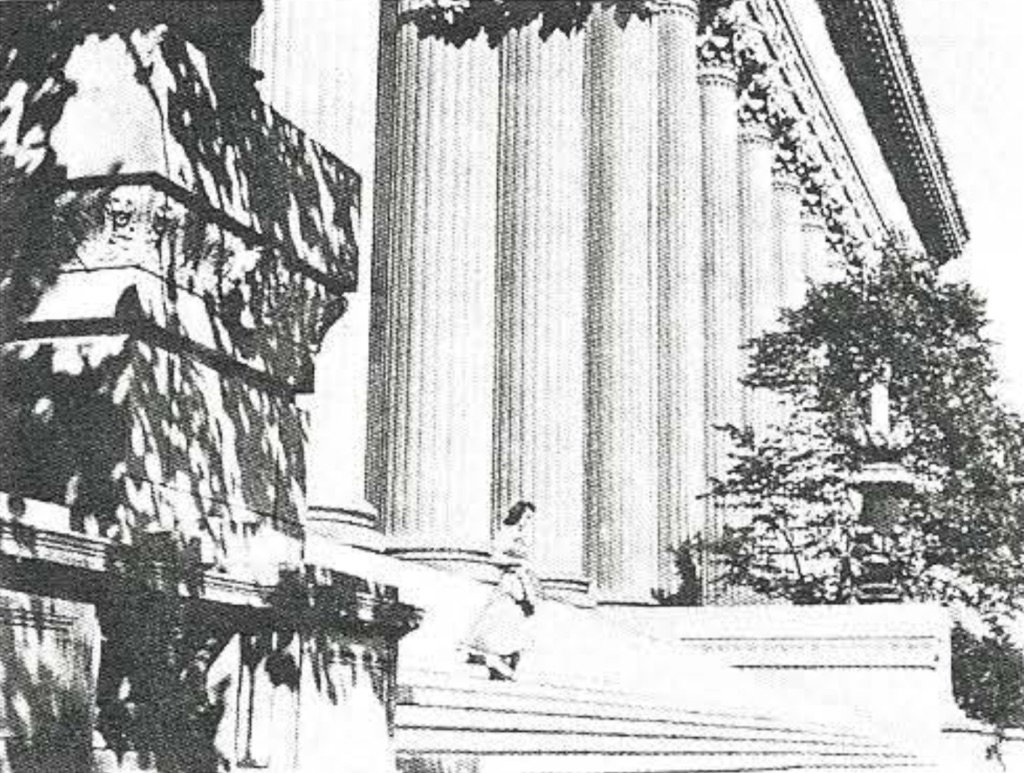
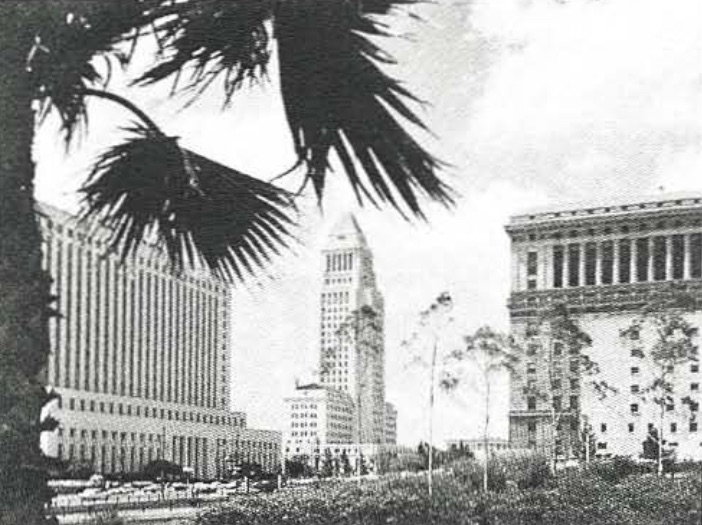
Frames are foreground pictorial elements that surround the picture. They supply foreground interest, contain the action, and prevent the eye from wandering off-screen. Frames should be appropriate and not distract, shot from a three-quarter angle for depth, and lit in silhouette or semi-silhouette. They should be sharp. Partial frames (top and one side) are useful for breaking up empty foreground or bald skies. Wildly moving frames should be avoided. Camera movement toward, away from, or across a frame is permissible if the frame itself remains static.
Dynamic and Suspenseful Composition
Dynamic composition creates sudden change in a static set-up. A quiet scene is interrupted by a figure or vehicle entering abruptly, most effective when the audience has been encouraged to concentrate on a peaceful scene before the intrusion. Vehicles may be dynamically utilised: an auto may swing into frame from the side, a truck zoom up from the bottom, an airplane drop jarringly from the top. Suspenseful composition hides, delays, or prolongs significant action. A blank screen held for a few seconds while the audience waits creates powerful suspense. An industrial film may conceal the product until it emerges from a machine.
Integrating Composition and Camera Angles
Pictures must be composed with definite viewpoints in mind. A perfect composition for one camera angle may be very poor when viewed from another. Composition and camera angles should be integrated so that players and pictorial elements are properly composed as the camera moves about to film all the shots in a sequence. Generally, a good long-shot composition will work well on closer shots if the set-ups are not drastically altered.
Player and camera movement are critical because such movements may develop into assets or liabilities. An excellent static composition may deteriorate into confusion as players or camera move. Continuous composition requires constant vigilance: players should first be placed in each key position and carefully composed, and then moves between key positions worked out. Side angles and over-the-shoulder close-ups may suddenly introduce table lamps, furniture, or other objects which distract from the main action.
Catalog Pictures and Pattern Shots
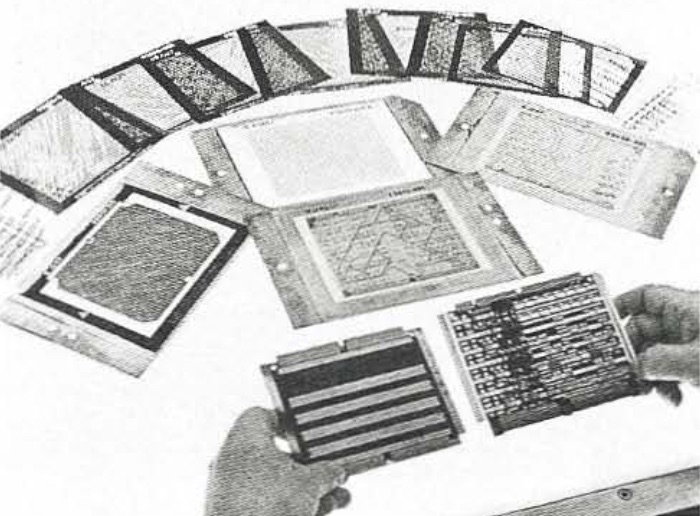
Catalog pictures, shots of tools, machines, packages, or instruments, seemingly defy laws of good composition. Rather than standard catalog views, patterns of lines, shapes, or forms conveying aesthetic or emotional impact make more pleasing and effective shots. A group of lathes shot from a high angle may form a rhythmical repetition of diagonal lines suggesting action and purposefulness.
A package should face inward toward the centre with enough lead, angled so that front, side, and top are seen. Items may be lined up in diagonals rather than straight across the frame. Two consecutive shots may be composed in opposing diagonals. When filming a series for a montage, the prime consideration should be arrangement in compositional opposition for greater forcefulness, conflict, or contrast.
Compositional Variety
A film should maintain unity of style while presenting a variety of compositions, camera angles, and image sizes. A cameraman may easily slip into a rut, particularly on short-schedule, low-budget films, staying with a compositional routine and stock photographic treatment. Slightly different treatment, whenever possible, adds interest.
Compose in Depth and Simplicity
Compositions should position players and objects throughout the setting so they overlap rather than lining up equidistant from the camera. Shoot angle-plus-angle. Choose camera angles and lenses producing converging lines. Light in contrasting planes. Employ foreground frames. Position the camera in the midst of the setting rather than at a distance. Avoid flat angles, flat lighting, cross-screen movement, and lined-up positioning. Always think in depth.
The secret of good composition is simplicity. A complicated or cluttered composition will never be as effective as a simple one, regardless of how well it follows the rules. The test is whether anything can be removed without destroying effectiveness. A movie scene appears for a limited time. Confusing compositions irritate the viewer. Simplicity does not depend on the number of elements: a vast army in extreme long shot may convey immediate clarity while a table-top shot of half a dozen objects presents clutter. If a vast number of elements must be photographed, they should be harmoniously grouped.
Summary of Core Principles
Joseph V. Mascelli’s 5 C’s of Cinematography form an integrated system of motion picture filming techniques. Camera angles and movement determine what the audience sees and from where. Continuity and film continuity editing ensure those views connect logically. Cutting shapes raw footage into a coherent narrative. Close-ups provide dramatic emphasis and editorial flexibility. Composition in film arranges all visual elements to produce the desired emotional response.
These are not rigid cinematic composition rules but working principles that experienced filmmakers internalise and adapt. The fundamentals of visual storytelling in film apply regardless of budget, format, or genre. Whether a filmmaker is weighing master scene vs. triple-take technique, understanding objective vs. subjective camera angles, learning how to establish directional continuity in film, deciding when to use cut-away vs. cut-in close-ups, or grasping informal vs. formal balance in cinematography, the goal remains the same: to capture and hold audience attention through effective use of the motion picture camera as a storytelling tool. The 5 C’s of Cinematography remains the foundational text for these cinematography techniques.
What are the 5 C’s of cinematography?
The 5 C’s of Cinematography are Camera Angles, Continuity, Cutting, Close-Ups, and Composition. They were defined by Joseph V. Mascelli in his 1965 book The Five C’s of Cinematography, which remains a foundational text on motion picture filming techniques. Together the five C’s form an integrated system for visual storytelling in film. Camera angles and movement determine what the audience sees and from what viewpoint. Continuity ensures that a series of shots connects logically through film continuity editing. Cutting (editing) shapes the raw footage into a coherent narrative. Close-ups provide dramatic emphasis by isolating significant subject matter. Composition in film arranges all visual elements within the frame to produce the desired emotional response. Mascelli also identified a sixth unofficial “C,” Cheating, which is the art of rearranging elements to improve the screen result without the audience detecting the change.
What is the 180 degree rule in filmmaking?
The 180 degree rule is based on what Mascelli calls the action axis. An imaginary line is drawn either along the path of a moving subject or between two players facing each other. If all camera set-ups are positioned within the 180 degree arc on one side of this line, screen direction remains consistent from shot to shot. Crossing the line (moving the camera to the other side) reverses screen direction: a player on the left of the frame will suddenly appear on the right, or a vehicle will appear to reverse its travel. The rule applies to both dynamic screen direction (bodies in motion) and static screen direction (the direction players face and look when at rest). The camera may cross the line during a shot, because the audience observes the moving change, but it must not cross between shots without justification.
When to use cut-away vs. cut-in close-ups
A cut-in close-up is a magnified portion of the preceding scene and is always part of the main action. It continues the principal event with a screen-filling closer view of a significant player, object, or small-scale action. A cut-in must match the action, positions, and looks of the wider shot it cuts into.
A cut-away close-up is related to but not part of the previous scene. It depicts secondary action happening simultaneously elsewhere, whether a few metres or thousands of kilometres away. Cut-aways need not match the main action and may show off-screen player reactions, comment on the event, or distract the audience to cover a jump-cut. Cut-in close-ups should always be established in a preceding wider shot. Cut-away close-ups do not need to be established since they occur outside the main action.
Understanding objective vs. subjective camera angles
Joseph V. Mascelli’s cinematography framework identifies three types of camera angles in the 5 C’s of Cinematography.
Objective angles film from a sideline viewpoint. The audience watches as unseen observers, and players never look into the lens. This is the most common approach in narrative filmmaking.
Subjective angles place the audience directly in the scene by making the camera the eyes of a character or the viewer. When the camera replaces a character, other players must look directly into the lens. This technique is problematic when sustained because it eliminates the character’s face and reactions, and tends to become boring. It is most effective in brief inserts, direct address (such as news presentation), or as the collective eye of the audience.
Point-of-view angles fall between the two. The camera is positioned at the side of a character so the audience views from near that person’s position, but not directly through their eyes. On-screen players look slightly to the side of the lens, not into it. This provides intimacy without the jarring quality of full subjective treatment and is the closest an objective shot can approach a subjective shot while remaining objective.
What is the master scene technique, and how does it compare in the master scene vs. triple-take technique debate?
The master scene technique, a core motion picture filming technique covered in the 5 C’s of Cinematography, films a continuous take of an entire event from beginning to end in long shot. Portions of the action are then repeated from closer angles to provide inter-cutting medium shots, close-ups, and other coverage. With a single camera, the scene is performed once as a complete long shot, then repeated for each closer set-up. With multiple cameras, all angles are recorded simultaneously.
The technique supplies the film editor with complete coverage in duplicate from several angles, enabling wide editorial choice. Its disadvantages include higher film consumption and the need for performers to repeat their actions precisely in closer shots. Mascelli contrasts it with the triple-take technique, where action is overlapped at the beginning and end of each consecutive shot rather than filmed in its entirety multiple times.
What is the triple-take technique?
The triple-take technique is a filming method defined by Mascelli for obtaining shot-to-shot continuity, particularly when working without a script. The cameraman thinks of three consecutive shots at all times. Action at the end of one shot is repeated at the beginning of the next. This link-chain procedure produces a series of interlocking images that convey uninterrupted action when edited. It is simpler than the master scene technique, produces less wasted footage, and allows the cameraman to work through complex operations step by step. Its main disadvantage is that it leaves the film editor with fewer choices than a full master scene.
What is continuity editing?
Continuity editing, which Mascelli calls continuity cutting in the 5 C’s of Cinematography, is a method of assembling shots so that continuous action flows smoothly from one to the next. It is one of the most fundamental film continuity editing techniques. Players’ movements, positions, and looks must match across straight cuts so the audience perceives a seamless progression of events. When action, body position, or directional look does not match between shots, the result is a jump-cut, which jars the audience. Continuity editing stands in contrast to compilation cutting, where the narration holds the story together and the visuals simply illustrate what is being described.
What is cross-cutting in film?
Cross-cutting is the parallel editing of two or more events in an alternating pattern. It may be used to heighten interest by depicting separate segments of the story alternately, to provide conflict by editing opposing actions which will come together in a climactic clash, to increase tension or build suspense by alternating events that bear on each other, to make comparisons, or to depict contrast. Events may be occurring simultaneously in different locations, or they may be separated in time. The first shot in a series should be treated as an establishing shot with slightly greater screen length so the audience understands what is happening and who is involved.
What is the rule of thirds in cinematography?
One of the most widely applied cinematic composition rules, the rule of thirds is described by Mascelli as dividing the frame into three equal parts, first vertically then horizontally. All four points where these lines cross are compositionally strong. Placing the centre of interest at or near one of these intersection points produces a more dynamic composition than centring the subject. As a loose rule, this prevents bisecting the picture vertically, horizontally, or diagonally, which results in visually dull compositions. The horizon should occupy approximately one-third or two-thirds of the frame, never one-half. Mascelli cautions against applying this mechanically, which would result in repetitious placement across shots.
What is a Dutch angle?
A Dutch angle (also called a Dutch tilt) is a shot where the camera’s vertical axis is deliberately tilted in relation to the subject, producing a diagonally sloping screen image. The technique creates an off-balance, unstable effect suitable for depicting violence, emotional disturbance, drunkenness, delirium, or impressionistic sequences. Mascelli advises that tilts should be definite and deliberate, not slight enough to appear accidental. An image slanting to the right is active and forceful, while one slanting to the left is weaker and static. Dutch angles are most effective from a low camera position with a wide-angle lens and three-quarter camera angle. Pairs of opposing tilts may be used for greater effect.
What is an over-the-shoulder shot?
An over-the-shoulder shot films one player as seen over the shoulder of another player in the foreground. The foreground player should be angled so that their back and side are seen from a rear three-quarter view, with the cheek line visible but not the nose. If the nearer player’s features become identifiable, the scene becomes a two-shot rather than an over-the-shoulder close-up. These shots provide an effective transition from objectively filmed scenes to point-of-view close-ups, and are generally filmed in matched opposing pairs with uniform camera distance, angle, and image size.
What is the difference between a scene, shot, and sequence?
A scene defines the place or setting where the action is laid. A shot is a continuous view filmed by one camera without interruption; each shot is a take, and if the set-up is changed in any way it becomes a new shot rather than a retake. A sequence is a series of scenes or shots that form a complete narrative unit, comparable to a chapter in a book. A sequence may occur in a single setting or across several settings, and may be bracketed by fades, dissolves, or straight cuts. For practical purposes, scene and shot are generally interchangeable in professional usage.
Why are close-ups important in filmmaking?
In Joseph V. Mascelli’s cinematography framework, close-ups are among the most powerful visual storytelling devices in film because they isolate significant subject matter, eliminate non-essentials, and bring the viewer intimately into the scene. Mascelli identifies numerous specific uses: playing up narrative highlights, magnifying small-scale action the audience cannot see from a distance, providing time lapses by allowing removal of repetitious action, distracting the audience to cover jump-cuts, substituting for action hidden inside machines or other inaccessible locations, cueing the audience on how to respond emotionally, motivating sequences, and bridging transitions between scenes. Close-ups should be reserved for vital moments so their impact is not diluted through overuse.
How to establish directional continuity in film
Understanding how to establish directional continuity in film is one of the most important cinematography techniques covered in the 5 C’s of Cinematography. Screen direction is maintained by using the action axis. For moving subjects, an imaginary line is drawn along the path of travel. For static subjects, the line is drawn between the two players nearest the camera on opposite sides of the frame. All camera set-ups should be positioned on one side of this line. Crossing the line transposes players or reverses travel direction.
For dynamic direction, once left-to-right or right-to-left movement is established, it should be maintained throughout the travel sequence. Neutral shots (head-on or tail-away) may be used to bridge a direction change. For static direction, the principle ensures that a player’s look remains consistent from shot to shot. The axis must be redrawn at the end of any shot where player or camera movement has changed the established line. Anything may change during a shot, but nothing must be changed between shots.
How do you compose shots in depth?
Among Mascelli’s cinematic composition rules, depth is one of the most important goals. To compose in depth, one of the most valuable composition in film techniques from the 5 C’s of Cinematography: position players and objects throughout the setting so they overlap rather than lining up equidistant from the camera. Shoot angle-plus-angle so that front, side, and top or bottom of objects are recorded. Choose camera angles and lens focal lengths that produce converging lines and interesting perspective effects. Light in contrasting planes with less light on foreground objects to create silhouette or semi-silhouette effects. Employ foreground frames so the camera shoots through or past objects. Move subjects toward or away from the camera rather than straight across the screen. Position the camera in the midst of the setting rather than at a distance looking on. Avoid flat angles, flat lighting, cross-screen movement, and lined-up positioning.